
Type A and Type B reactions: Understand drug side effects and how they impact your health
When a medication causes harm, it’s not always because something went wrong with the prescription. Sometimes, it’s built into how the drug works. Type A reactions, predictable side effects linked to a drug’s known pharmacology. Also known as augmented reactions, they’re the most common kind of adverse drug event—think drowsiness from antihistamines, low blood pressure from beta blockers, or stomach upset from NSAIDs. These happen because the drug does too much of what it’s supposed to do. They’re dose-dependent, usually avoidable, and often show up in the drug’s package insert.
Type B reactions, unpredictable, immune-driven or genetic responses that aren’t related to the drug’s main action. Also known as bizarre reactions, they’re rare but dangerous—like anaphylaxis from penicillin, liver failure from acetaminophen in sensitive people, or Stevens-Johnson syndrome from sulfa drugs. You can’t guess who’ll get them. They don’t get worse with higher doses. And they’re not listed in the side effect section because they’re not part of the drug’s normal behavior—they’re accidents of biology. These are the reactions that make patients say, ‘I’ve never had this happen before.’
Most people will experience a Type A reaction at some point. A headache after caffeine, dizziness after blood pressure meds, dry mouth from antidepressants—these aren’t mistakes. They’re expected. But Type B reactions? Those are the ones that land you in the ER. They’re why we check for allergies before giving antibiotics. Why we monitor liver enzymes with certain drugs. Why some people can’t take a medication even once. The difference isn’t just medical—it’s personal. One person’s harmless side effect is another’s life-threatening event.
Knowing the difference helps you ask better questions. If you feel weird after a new pill, ask: Is this something the doctor warned me about? Or is this something completely new? Type A reactions can often be managed by adjusting the dose or switching drugs. Type B reactions? You stop the drug—immediately—and never take it again. There’s no workaround.
The posts below cover real cases where these reactions mattered: adrenal crisis from steroid withdrawal, allergic reactions to antihistamines, muscle pain from statins, and even rare links between laxatives and mood changes. Each one shows how drugs don’t just treat illness—they can trigger new ones. Whether you’re on long-term meds, managing chronic conditions, or just trying to avoid bad reactions, understanding Type A and Type B reactions isn’t just helpful—it’s essential for staying safe.
22
Nov
2025
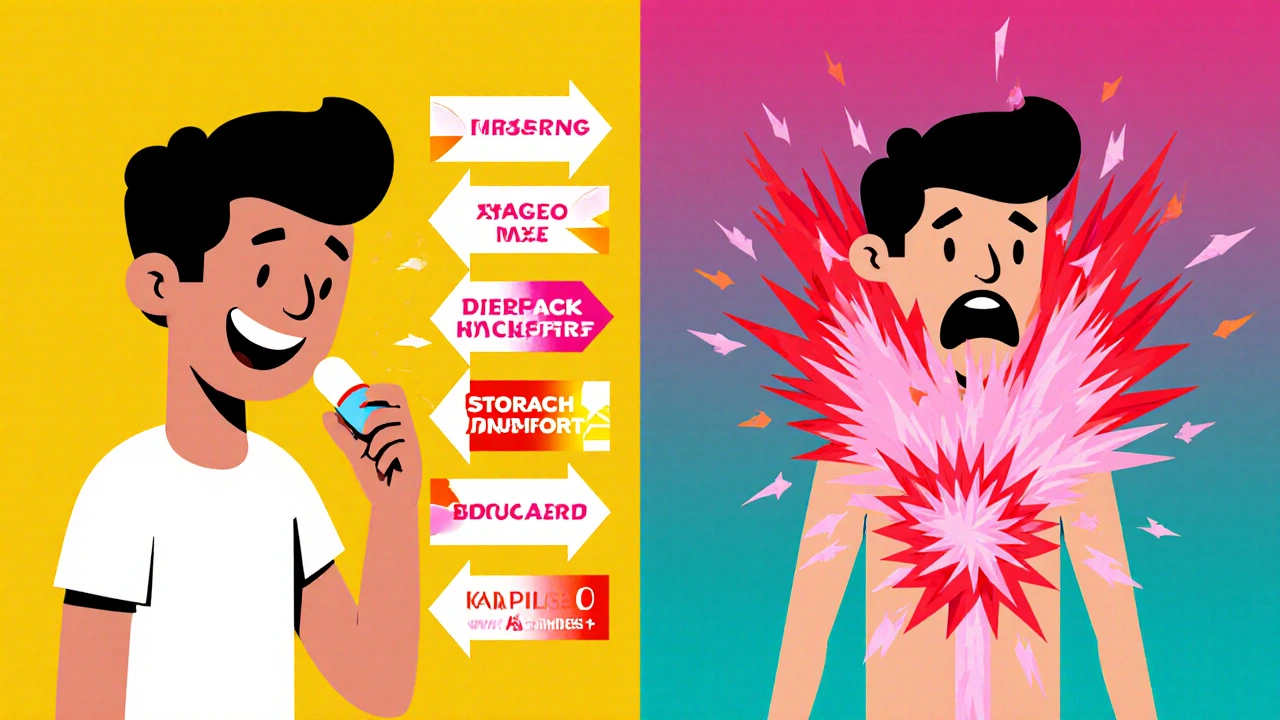
Predictable vs Unpredictable Side Effects: Understanding Drug Safety
Learn how predictable and unpredictable side effects differ, why it matters for your safety, and what you can do to avoid serious drug reactions. Understand Type A and Type B reactions with real examples and expert insights.
© 2026. All rights reserved.