
Generics: What They Are, How They Save Money, and What You Need to Know
When you hear generics, lower-cost versions of brand-name medications that contain the same active ingredients and work the same way in the body. Also known as generic medication, they are approved by health regulators like the FDA and TGA to be just as safe and effective as their brand-name counterparts. Yet many people still hesitate to use them—wondering if they’re truly the same, or if they’re just cheaper because they’re weaker. The truth is simple: generics aren’t a compromise. They’re the same medicine, just without the marketing budget.
How does this work? When a brand-name drug’s patent expires, other manufacturers can produce the exact same active ingredient using the same chemistry. The FDA requires them to prove the generic matches the brand in strength, dosage form, and how fast it’s absorbed. That’s why a 20mg tablet of generic lisinopril works just like Prinivil or Zestril. The fillers, color, or shape might be different—but the part that treats your condition? Identical. This is why generic substitute, a medication that replaces a brand-name drug with an identical active ingredient and therapeutic effect is one of the most powerful tools for cutting prescription costs—sometimes saving you 80% or more.
But not all generics are created equal in perception. Some people worry about consistency, especially if they’ve switched between different generic brands. That’s understandable. If you’ve been on the same brand for years and then get a different-looking pill, it can feel unsettling. But studies show no meaningful difference in outcomes between different generic versions. What matters most is sticking with one manufacturer once you find one that works for you—just like you’d stick with your preferred coffee brand. And if you’re unsure? Ask your pharmacist. They can tell you if the generic you’re getting is approved, what the manufacturer is, and whether it’s been flagged for any issues.
Another big myth? That generics are only for minor conditions. That’s not true. Generics cover everything from antibiotics like ciprofloxacin to heart meds like atorvastatin, diabetes drugs like metformin, and even complex biologics now entering the generic space. The posts here cover real cases: how to check if your prescription has a generic version, how secondary patents delay generics, and how to safely buy them online without falling for counterfeit sites. You’ll also find guides on how to compare generics to brand names, what to do if you think a generic isn’t working, and how to navigate insurance rules that push you toward cheaper options.
And here’s something most people don’t realize: using generics doesn’t just save you money—it helps the whole system. Every dollar saved on a generic prescription means less strain on public health budgets, lower insurance premiums over time, and better access for people who otherwise couldn’t afford treatment. That’s why experts push for generics—not because they’re second-rate, but because they’re just as good and way more practical.
So if you’ve been paying full price for a drug that has a generic version, you’re probably overpaying. The next time your doctor writes a prescription, ask: "Is there a generic?" If you’re already taking one, check your bottle—look for the manufacturer name. If you’ve switched and noticed a change in how you feel, talk to your pharmacist. Don’t assume it’s the medicine. It might just be the filler. But don’t assume it’s unsafe either. Generics are one of the most reliable, well-tested parts of modern medicine. And if you’re looking to cut costs without cutting corners, they’re your best bet.
28
Nov
2025
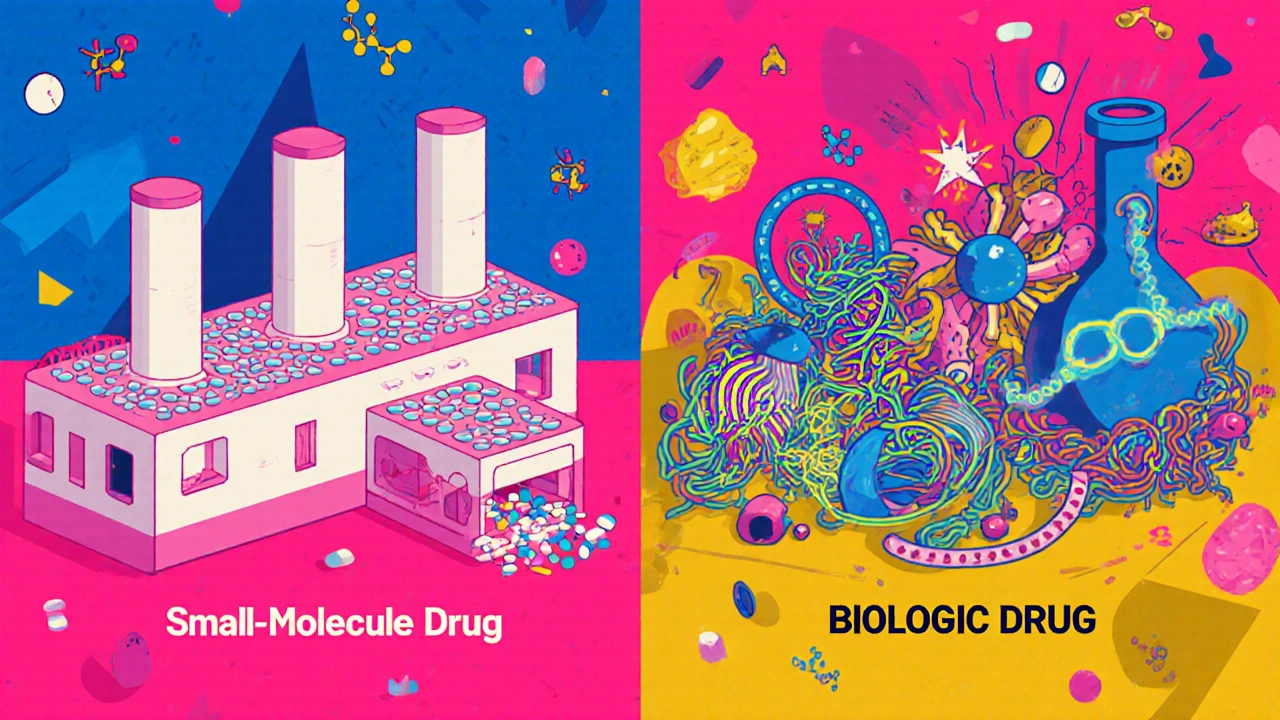
Biologic Drugs: Why They Can't Be Copied Like Regular Pills
Biologic drugs are made from living cells, making them too complex to copy exactly. Unlike generics, biosimilars are highly similar but not identical, requiring advanced manufacturing and strict regulatory approval.
© 2026. All rights reserved.