
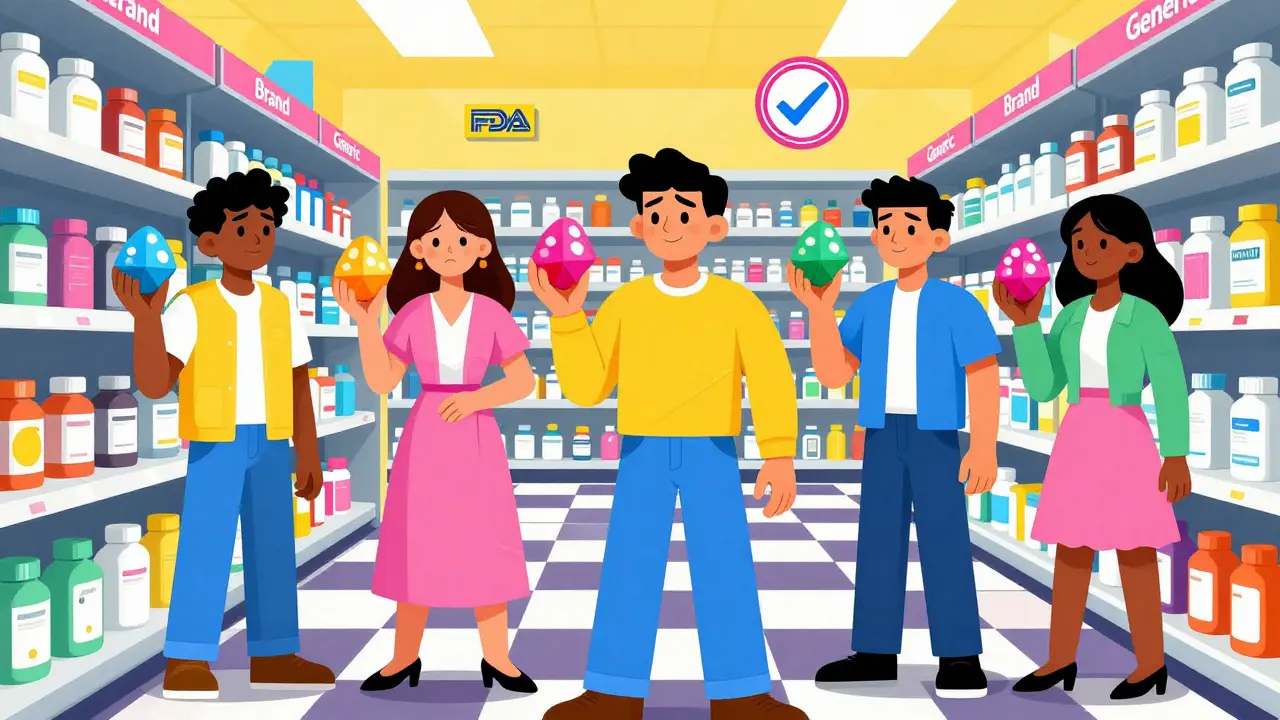
Switching from a brand-name medication to a generic version is one of the most common changes people with chronic conditions face - and it’s often the smartest financial move they’ll make. For millions of Americans managing conditions like high blood pressure, diabetes, thyroid disease, or depression, generics aren’t just cheaper - they’re just as effective. But that doesn’t mean the transition is always smooth. Many people feel uneasy when they pick up a pill that looks different, costs a fraction of what they used to pay, and comes with a label they’ve never seen before. The truth? Most of the time, there’s no reason to worry. But there are important steps to take to make sure your body adjusts without hiccups.
What Exactly Are Maintenance Medications?
Maintenance medications are the drugs you take every day - or several times a week - to control long-term health problems. These aren’t pills you take for a cold or an infection. They’re for conditions that don’t go away: diabetes, high cholesterol, arthritis, asthma, thyroid disorders, depression, high blood pressure, and more. These drugs keep your symptoms under control, prevent complications, and help you stay out of the hospital.The FDA defines these as drugs that are taken regularly over months or years. That’s why pharmacies and insurance plans treat them differently. You can often get a 90-day supply at a discounted rate. And when a brand-name version goes generic - which happens after the patent expires - it’s almost always switched automatically unless your doctor says otherwise.
Why Generics Work Just as Well
The biggest fear people have is that generics aren’t as strong. They’re not. The FDA requires that generic drugs contain the same active ingredient, in the same amount, and deliver it into your bloodstream at the same rate as the brand-name version. This is called bioequivalence. For a generic to be approved, the amount of drug in your blood must be within 80-125% of the brand-name drug. That’s a tight range - tight enough that your body won’t notice the difference.Take atorvastatin, for example. The brand-name version, Lipitor, used to cost over $378 for a 30-day supply. The generic? About $1. Same active ingredient. Same dose. Same effect on cholesterol. The only real difference? The color, shape, or filler ingredients - the inactive stuff that holds the pill together. For 90% of people, those fillers don’t matter.
According to the Association for Accessible Medicines, 85% of all prescriptions for chronic conditions in the U.S. are now filled with generics. And studies show people on generics are more likely to stick with their treatment because they can actually afford it. One study in the American Journal of Managed Care found that switching to generics led to 12-15% higher adherence and 23% fewer hospital visits for complications.
When Generics Might Cause Problems
Not all drugs are created equal - especially when it comes to how sensitive your body is to small changes. Some medications have a narrow therapeutic index. That means the difference between a dose that works and one that’s too much (or too little) is very small.Drugs like levothyroxine (for thyroid), warfarin (a blood thinner), and phenytoin (for seizures) fall into this category. Even tiny changes in how much of the drug your body absorbs can throw off your balance. Studies show that 5-8% of people on levothyroxine experience fluctuations in their TSH levels when switching between different generic manufacturers. That’s not because the drug is weak - it’s because the fillers vary slightly between companies, and some people’s bodies react.
Same goes for some asthma inhalers and skin creams. These are complex formulations, and even small changes in how the drug is delivered can affect how well it works. The FDA has tightened rules for these since 2022 under GDUFA III, but it’s still something to watch.
What Patients Are Saying
Real experiences vary. On Reddit, a thread about switching from Synthroid (brand-name levothyroxine) to generic had over 140 comments. Sixty-three percent of people said they felt worse - fatigue, brain fog, weight gain. Thirty-seven percent said they felt no difference or even better. The pattern? People who switched back to the same generic manufacturer they were on before usually stabilized. Those who kept switching between different generics? More trouble.A Drugs.com survey of 2,450 people found:
- 41% noticed no change at all
- 32% said they could finally afford the drug and didn’t miss doses
- 19% had minor side effects (headache, nausea) that faded in a few weeks
- 8% stopped taking the generic because they believed it wasn’t working
And while 34% of people with depression worry about generics being less effective, studies show no difference in outcomes. The fear? It’s psychological. The pill looks different. The packaging is plain. It costs less. So the brain assumes it must be weaker.
How to Make the Switch Safely
If your doctor or pharmacy tells you you’re switching to a generic, here’s how to do it right:- Ask your pharmacist - not just your doctor. Pharmacists know which generic manufacturer you’re getting. If you’ve had trouble before, ask them to stick with the same one.
- Don’t switch manufacturers mid-course. If you’ve been on a generic for six months and it’s working, don’t let your pharmacy change it to a different brand without telling you. Ask for consistency.
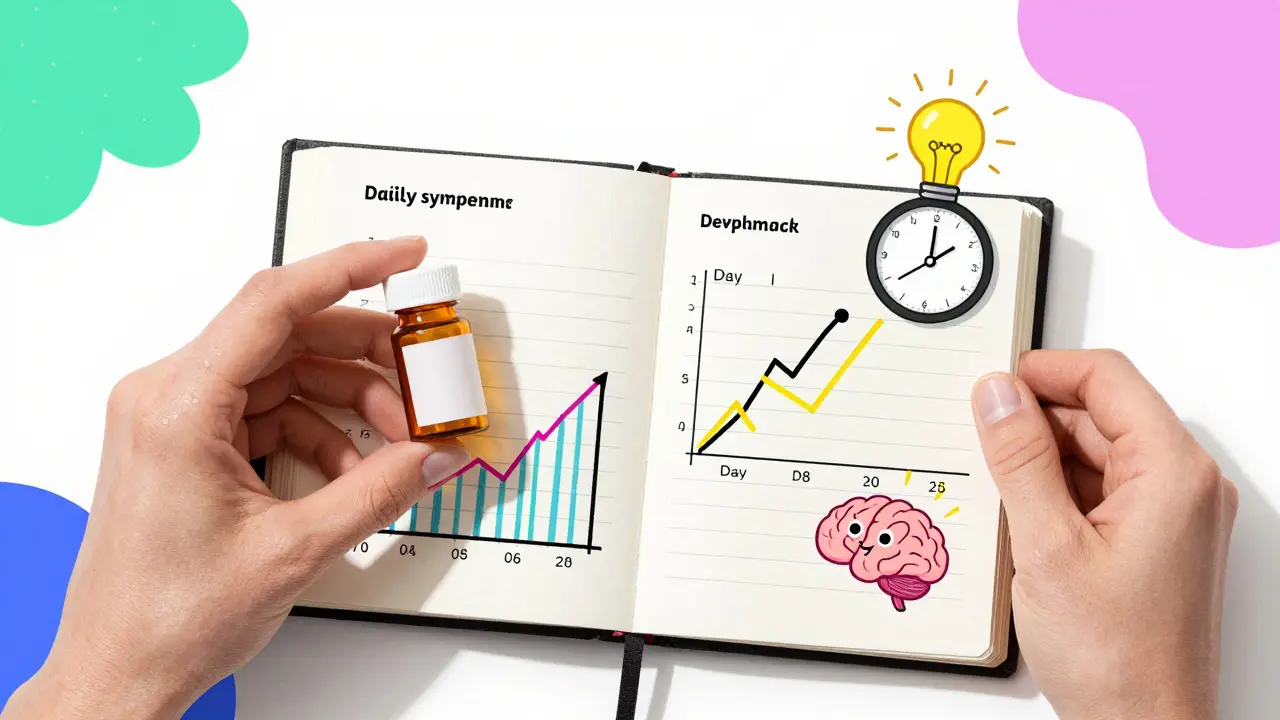
- Track your symptoms. For the first 30 days after switching, keep a simple log: energy levels, sleep, mood, blood pressure, blood sugar, or any new symptoms. Use the FDA’s free Medication Tracker app if you want.
- Give it time. It can take 2-4 weeks for your body to fully adjust. Don’t panic if you feel a little off the first week. But if symptoms persist past 6 weeks, talk to your doctor.
- Know your rights. Insurance companies can require generics - but you can request a brand-name drug if you have a documented reason. It’s rare, and approval is low (only 14% get approved), but if you’ve had real problems before, ask for a prior authorization with lab results to back it up.
Cost Matters - A Lot
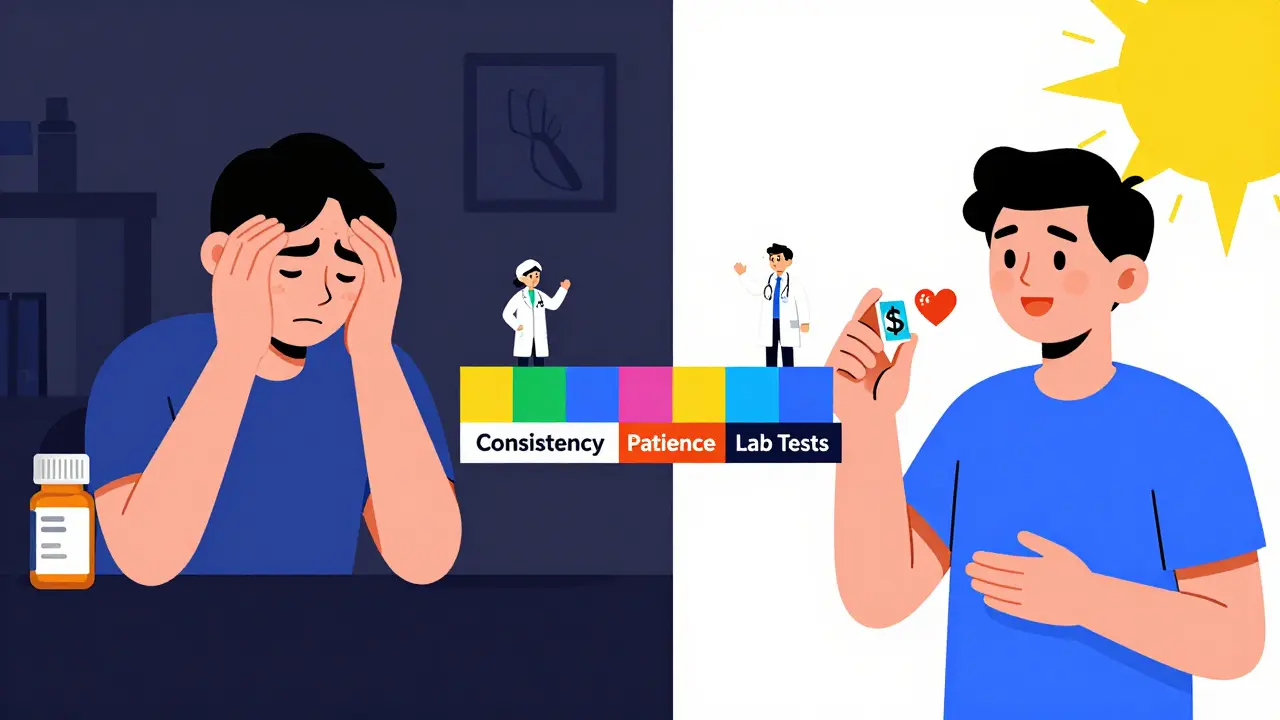
Let’s say you’re on insulin. Brand-name Lantus costs $345 for a vial. The biosimilar Semglee? $285. The authorized generic? $98. That’s not a typo. For people on fixed incomes - especially seniors on Medicare - this difference is life-changing. The Inflation Reduction Act of 2022 capped insulin at $35 per month for Medicare users. That’s why generics and biosimilars are exploding. By 2026, over a dozen blockbuster drugs will lose patent protection, opening the door to even more affordable options.For someone managing three chronic conditions - say, high blood pressure, diabetes, and high cholesterol - switching to generics can save over $1,200 a year. That’s a rent payment. A car repair. A vacation. It’s not just about saving money. It’s about staying healthy enough to keep living your life.
What’s Changing in 2026
The FDA is approving more generics than ever. In the first half of 2023 alone, 79 new generics for chronic conditions were approved - including the first versions of Jardiance and Entresto. These are drugs that used to cost over $500 a month. Now, they’ll be available for under $10.But there’s a catch. The number of manufacturers making each generic has dropped. In 2010, there were 15 companies making the same generic drug. By 2023, it was down to 8. That means fewer backups if one factory has a problem. The Government Accountability Office warned this could lead to shortages. That’s why sticking with the same generic - and the same manufacturer - matters more than ever.
Bottom Line
For most people with chronic conditions, generics are the best choice. They’re safe. They’re effective. And they’re affordable. The fear of switching is real - but it’s usually based on appearance, not science. The key is to make the transition intentional: know what you’re getting, track your response, and communicate with your care team.If you’ve been on a brand-name drug for years and now you’re switching, give yourself grace. Your body might need a few weeks to settle. But if you’re feeling worse after a month - or if your condition is slipping - that’s not normal. That’s your signal to call your doctor. Don’t assume it’s the drug. Don’t assume it’s you. Just ask: is this the right match for my body?
Generics aren’t second-rate. They’re the standard - and for most people, they’re exactly what they need to live well.
Are generic maintenance medications really as effective as brand-name ones?
Yes, for the vast majority of people. The FDA requires generics to have the same active ingredient, strength, dosage form, and absorption rate as the brand-name drug. Bioequivalence standards ensure the amount of drug in your bloodstream is within 80-125% of the brand. Studies show no difference in outcomes for conditions like high blood pressure, cholesterol, diabetes, and depression. The only differences are in inactive ingredients - fillers, dyes, or coatings - which rarely affect how the drug works.
Can switching to a generic cause side effects?
Sometimes - but not because the drug is weaker. A small percentage of people (about 5-8%) may notice minor side effects like headaches, nausea, or fatigue after switching, especially with drugs like levothyroxine or warfarin. These usually happen because different manufacturers use slightly different inactive ingredients. For most, symptoms fade within 2-4 weeks. If they don’t, talk to your doctor about switching back to the same generic manufacturer you were on before.
Why do some people feel worse after switching to generics?
Often, it’s not the medication - it’s expectation. If you’ve been on a brand-name drug for years, your brain associates the pill’s shape, color, or packaging with feeling well. When it changes, you might notice symptoms you didn’t have before - even if they’re unrelated. This is called the nocebo effect. But in rare cases, especially with narrow therapeutic index drugs, small changes in absorption can affect control. If symptoms persist beyond 6 weeks, get your levels checked (like TSH for thyroid or INR for blood thinners) to rule out real issues.
Should I ask for the same generic manufacturer every time?
Yes - especially if you’ve had issues before. Generic manufacturers vary in their fillers and production methods. If you’ve been stable on one brand (like Teva or Mylan), ask your pharmacist to keep using it. Many pharmacies will honor that request. For drugs like levothyroxine or seizure medications, consistency matters more than you think. Some states even require pharmacies to use the same manufacturer unless the patient or doctor requests otherwise.
Can I get a brand-name drug if I don’t like the generic?
You can request one, but approval is rare. Insurance companies require generics unless there’s documented medical need - like a proven allergic reaction or lab-confirmed loss of control after switching. You’ll need your doctor to submit a prior authorization with test results (e.g., TSH levels, cholesterol numbers). Only about 14% of requests are approved. For most people, staying on the generic - even with a small adjustment period - is safer, cheaper, and just as effective.
What if I can’t afford even the generic?
Many pharmacies offer discount programs - like Walmart’s $4 list - for common generics. Insulin is capped at $35/month for Medicare patients. Some drugmakers offer patient assistance programs. Pharmacists can also help you find coupons or manufacturer rebates. If you’re on Medicaid or Medicare, ask about formulary exceptions. Never skip doses because of cost. Talk to your provider - there are always options.
How long does it take to adjust to a new generic?
Most people adjust within 2-4 weeks. Your body needs time to stabilize after a change in inactive ingredients or manufacturing process. For thyroid, blood pressure, or diabetes meds, your provider may recommend checking lab values 4-6 weeks after switching. If you’re feeling fine after 30 days, you’re likely good to go. If symptoms linger, don’t ignore them - revisit your doctor with your symptom log.

13 Comments
Gabriella Adams
February 12, 2026 AT 08:49Switched from Lipitor to generic atorvastatin last year and honestly? My cholesterol hasn’t budged, and I saved $300 a month. My pharmacist said the fillers are different but the active ingredient is identical - and my doctor confirmed it. No side effects, no drama. Just cheaper pills that do the same job.
Vamsi Krishna
February 14, 2026 AT 07:58Y’all are acting like generics are some kind of miracle. Let me tell you something - I’m from India, and we’ve been using generics for decades. But here’s the thing: not all generics are created equal. Some manufacturers use cheap fillers that cause bloating, nausea, even rashes. I switched to a different generic last year and nearly ended up in the ER. So don’t just trust the FDA. Check the manufacturer. Ask for the batch number. Your body isn’t a lab rat.
Brad Ralph
February 15, 2026 AT 05:58So… the pill looks different, costs less, and you’re convinced it’s a placebo? 😂
Meanwhile, my thyroid levels are stable, my bank account is happy, and I’m still alive. Guess the science works after all.
Sophia Nelson
February 15, 2026 AT 14:20This whole post feels like an ad for Big Pharma’s generic division. Who even wrote this? A pharmacist on commission?
And let’s not pretend people aren’t feeling weird side effects - they are. But you’re just gonna brush it off as ‘psychological’? Nah. I’ve seen too many people get messed up after switching. You’re not listening.
Skilken Awe
February 17, 2026 AT 05:59Let’s cut through the marketing fluff. The FDA’s bioequivalence standard is a joke. 80-125%? That’s a 45% variance. That’s not ‘same drug’ - that’s ‘close enough for government work.’ And don’t get me started on the manufacturing consolidation. We’re one factory fire away from a nationwide shortage of levothyroxine. This isn’t progress - it’s a calculated risk disguised as savings.
Steve DESTIVELLE
February 18, 2026 AT 12:10Human beings have been using plants and minerals to treat illness for thousands of years before corporations invented patents and brand names. The real problem isn’t the generic pill - it’s the belief that a brand name means quality. That’s capitalism conditioning you. You’ve been trained to equate price with value. But biology doesn’t care about logos. Your body doesn’t know if it’s Lipitor or atorvastatin. It only knows if the molecule works. And for 90% of people it does. The rest? They’re outliers. Not failures. Just different.
Joanne Tan
February 19, 2026 AT 04:24omg i switched to generic levothyroxine and at first i felt so tired and foggy but i kept going and after 3 weeks i was back to normal!! now i save like $50 a month and my cat is so happy because i can afford more treats. also my pharmacist gave me the teva one and i asked to stick with it and she was so nice lol
Reggie McIntyre
February 20, 2026 AT 18:53Love this breakdown. Seriously. I’ve been on blood pressure meds for 12 years. Went from $180/month to $4. I didn’t think it’d work - but my numbers are better than ever. Turns out, my body didn’t care about the color of the pill. Just that I was taking it. Consistency > branding. And yeah, I track my BP every week now. It’s weirdly empowering.
Carla McKinney
February 21, 2026 AT 11:53Let’s be real: the 85% adherence rate isn’t because generics are better - it’s because people can’t afford to skip doses anymore. That’s not a win. That’s a system failure. We’re rewarding compliance instead of fixing affordability. And now we’re normalizing the idea that your health should be contingent on your income. This isn’t healthcare. It’s rationing with a smile.
Jack Havard
February 21, 2026 AT 16:53Have you ever considered that the ‘same active ingredient’ might not be the whole story? What about the manufacturing process? Solvents? Residual chemicals? The FDA doesn’t test for those. And what about the fact that 70% of generic pills are made overseas? No one’s talking about that. You think your body can’t tell the difference between a pill made in a regulated U.S. lab and one made in a factory with no oversight? Wake up.
Annie Joyce
February 22, 2026 AT 15:47I’m a pharmacist and I can tell you - the key is consistency. If you’ve been on Teva’s levothyroxine for a year and it’s working? Don’t let them switch you to Mylan without telling you. Ask for it by name. Most pharmacies will honor it. And if they say ‘it’s the same thing’ - tell them to check the NDC code. It’s not. And if you feel weird after switching? Track it. Write it down. Bring it to your doc. Don’t let them gaslight you. You know your body better than any algorithm.
Kristin Jarecki
February 22, 2026 AT 21:57Thank you for this thoughtful, evidence-based overview. The psychological component of medication adherence is profoundly understudied, and your emphasis on patient experience - alongside clinical data - is precisely what we need in public health communication. The transition to generics should be treated as a clinical event, not a logistical one. Consistency, monitoring, and patient autonomy are not optional. They are essential.
Jonathan Noe
February 24, 2026 AT 15:04Wait - so you’re telling me the reason people feel worse after switching is because the pill is a different color? That’s it? No side effects? No chemical difference? Just… vibes? I’ve got news for you: the placebo effect works both ways. If you believe it’s weaker, your body might respond accordingly. But that doesn’t mean the drug is bad. It means your brain is wired to associate appearance with efficacy. And that’s why we need better education. Not fear. Not conspiracy. Just facts.