
Restless Legs: Causes, Triggers, and What Actually Helps
When your legs won’t stop moving, especially at night, you’re not just fidgety—you might have restless legs syndrome, a neurological disorder that causes an irresistible urge to move the legs, often due to uncomfortable sensations. Also known as RLS, it’s not just stress or laziness—it’s a real condition affecting up to 10% of adults. Many people ignore it, thinking it’s normal to toss and turn. But if you’re constantly getting up to walk around at night, or your legs feel like they’re crawling, tingling, or aching when you sit still, this isn’t something you should live with.
What’s behind restless legs? It’s often tied to how your brain handles dopamine, a brain chemical that controls movement and reward pathways. Low dopamine levels, whether from genetics or other health issues, make your nerves misfire, creating that strange urge to move. And it’s not just your brain—iron deficiency, even when your blood count looks normal is a major trigger. Your brain needs iron to make dopamine, and if your iron stores are low, your legs pay the price. Many people with RLS have normal hemoglobin but still lack brain iron, which standard blood tests miss.
It’s also linked to other conditions you might not connect to leg discomfort—like kidney disease, diabetes, or pregnancy. Certain meds, including antidepressants and antihistamines, can make it worse. And caffeine? It’s not just a sleep killer—it can turn mild RLS into a sleep-destroying nightmare.
What helps isn’t always what you’d expect. Stretching might give temporary relief, but real improvement often comes from addressing the root cause: fixing iron levels with supplements (not just eating spinach), adjusting meds, or using targeted drugs that boost dopamine in the brain. Some people find relief with magnesium or warm baths, but those are band-aids—not solutions.
Below, you’ll find real, evidence-backed posts that break down exactly how RLS works, what treatments actually show results, and how to talk to your doctor about testing for iron and dopamine issues—not just popping sleep aids. No fluff. No guesswork. Just what works, what doesn’t, and why.
29
Nov
2025
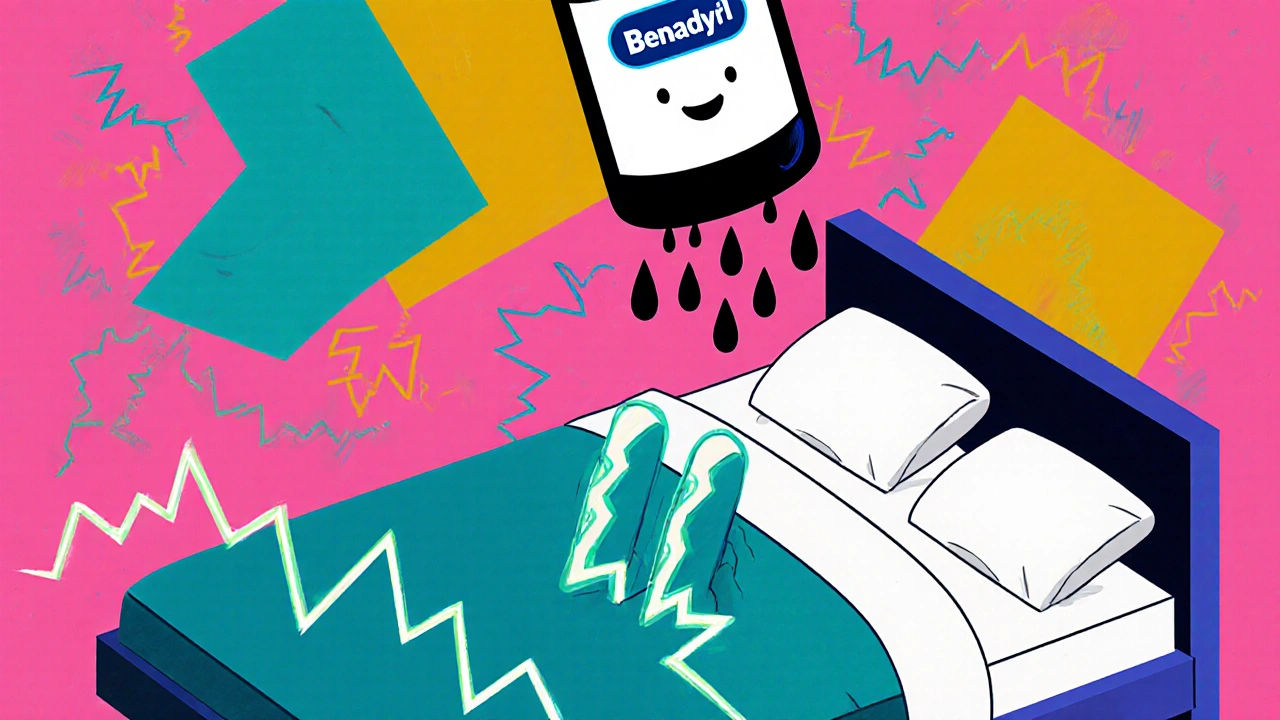
Antihistamines and Restless Legs: How Common Allergy Meds Worsen Symptoms and What to Take Instead
Sedating antihistamines like Benadryl can worsen restless legs syndrome by blocking dopamine. Learn which allergy meds are safe, which to avoid, and what alternatives actually work for better sleep.
© 2026. All rights reserved.