
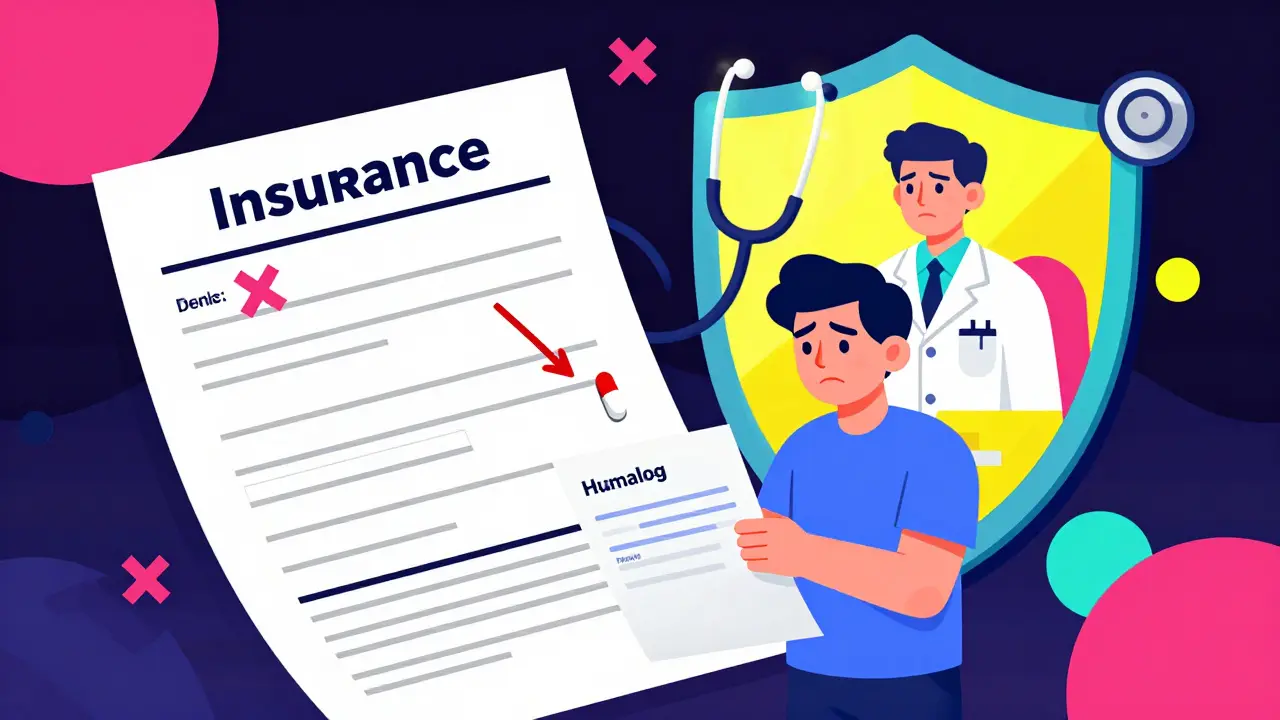
When your doctor prescribes a brand-name medication and your insurance says no, it’s not just a paperwork glitch-it’s a health crisis waiting to happen. You’re not alone. In 2022, nearly 63% of all prior authorization denials for specialty drugs were for brand-name medications, not because they weren’t needed, but because insurers moved them off their formularies without warning. If you’ve been taking this drug for months or years, switching to a generic might mean more seizures, more pain, more hospital visits. And that’s not a risk you should have to take alone.
Why Your Insurance Denied Your Brand-Name Drug
Insurance companies don’t deny brand-name drugs because they’re evil. They do it because they’re trying to save money. But here’s the catch: saving money doesn’t always mean saving lives. Most denials happen for one of three reasons:- Your plan changed its formulary and removed your drug without telling you.
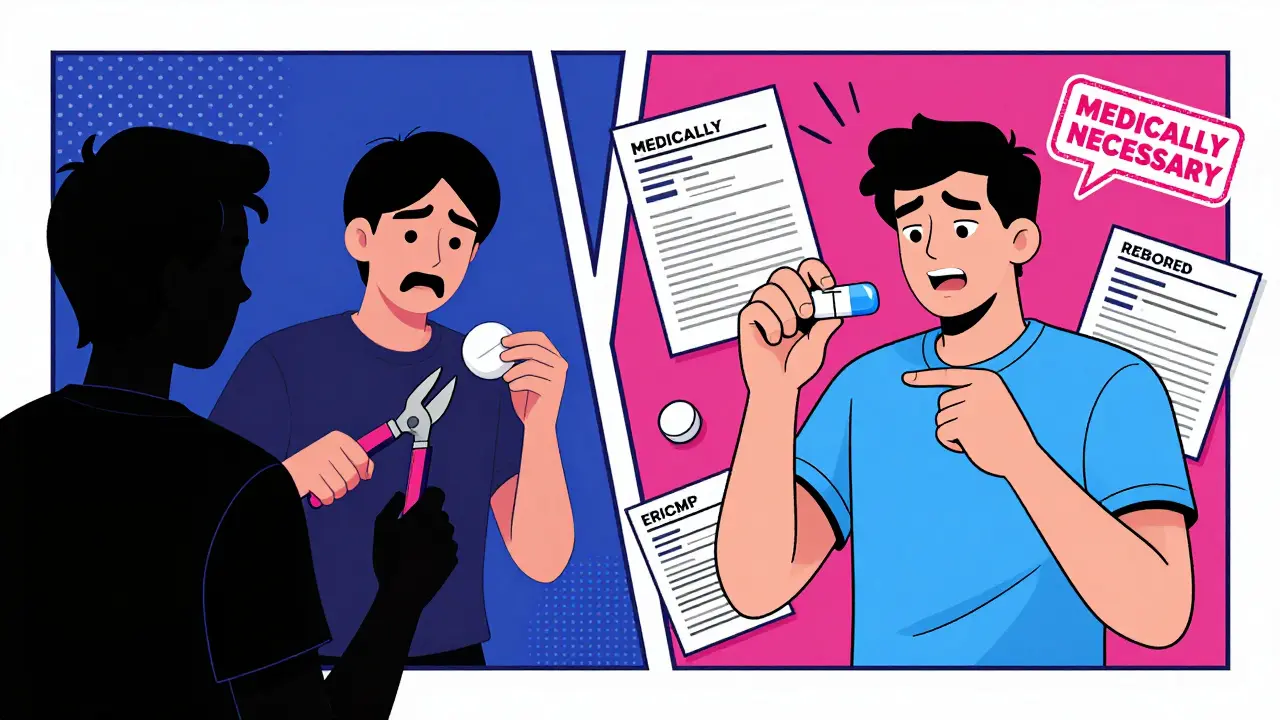
- They say a generic version is "just as good," even though you’ve tried it and it didn’t work.
- They want you to try a cheaper drug first-even if your doctor says it’s unsafe.
What You Need Before You Appeal
You can’t appeal a denial blind. You need facts. Start with your Explanation of Benefits (EOB). That’s the document your insurer sends after denying a claim. Look for:- The exact reason for denial (e.g., "not medically necessary," "generic alternative available").
- The prior authorization reference number.
- Which drug they’re pushing instead.
- Your diagnosis and how long you’ve been on the brand-name drug.
- Specific failures with generics or other alternatives-like when you had a seizure after switching, or your blood sugar spiked uncontrollably.
- Lab results, hospital records, or specialist notes proving the brand-name drug works.
- A clear statement: "This medication is medically necessary for this patient’s health and safety."
How to File the Appeal
There are two stages: internal appeal and external review. Don’t skip the first. Stage 1: Internal AppealYou have 180 days from the denial date to file. Most insurers require you to submit your appeal in writing. Use this structure:
- Your full name, date of birth, insurance ID.
- Date of denial and denial reference number.
- Exact drug name and dosage.
- Reason for denial (copy from EOB).
- Doctor’s letter attached.
- What you’re asking for: "Reconsider coverage for [drug name] as medically necessary."
If your internal appeal is denied, you can request an external review. This is where your chances jump from 39% to 58%. For non-ERISA plans, contact your state’s insurance commissioner. For ERISA plans (which cover over 60% of Americans), go to the U.S. Department of Health and Human Services. You’ll need:
- Your internal appeal denial letter.
- Your original appeal and doctor’s letter.
- Any additional medical records.
When to Get a Lawyer
You don’t need a lawyer for every appeal. But if you’re dealing with an ERISA plan, and your drug is critical-like biologics for Crohn’s, insulin for type 1 diabetes, or a rare disease treatment-hire one. Kantor & Kantor found that appeals drafted by attorneys had a 47% higher success rate than those filed by patients alone. Why? Because insurers use legal loopholes. They’ll claim you didn’t follow procedure, even if you did. They’ll misquote your doctor’s letter. They’ll delay. A lawyer knows how to force compliance. They know how to cite ERISA regulations. And if your case goes to court, they’re the only ones who can get you a fair hearing. You don’t have to pay upfront. Many health law firms work on contingency-they only get paid if you win. And if you’re on Medicare or Medicaid, free legal aid is often available through patient advocacy groups.Real Stories, Real Results
One dad in Melbourne, Australia, appealed a Humalog insulin denial after his 8-year-old had two diabetic ketoacidosis episodes on a generic version. He submitted lab logs, ER records, and a letter from his endocrinologist. Approval came in 11 days. Another woman in Sydney spent six months fighting a denial for a brand-name migraine drug. She tried everything: calls, emails, letters. Nothing worked. Then she hired a health attorney. The insurer approved coverage the week after the lawyer sent a formal demand letter. These aren’t outliers. They’re proof that persistence, documentation, and knowing your rights work.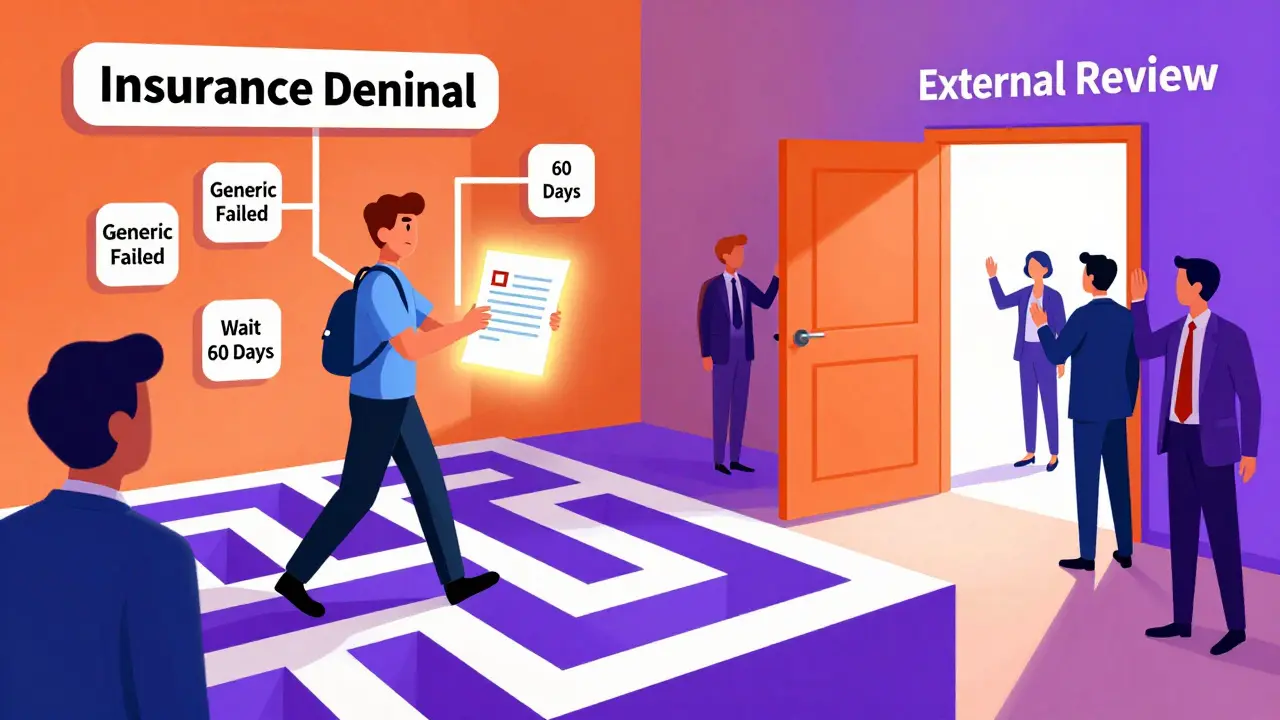
What If You Can’t Wait?
If you’re running out of medication and the appeal is dragging, ask your doctor about patient assistance programs. Eli Lilly’s Insulin Value Program, for example, provides free brand-name insulin to eligible patients while appeals are pending. Other manufacturers have similar programs for drugs like Humira, Enbrel, and Copaxone. Pharmacies like GoodRx also offer coupons that can cut the out-of-pocket cost by up to 80% for a few months while you fight the appeal.What’s Changing in 2026?
New rules are coming. The 2023 Consolidated Appropriations Act now requires Medicare Part D plans to show you real-time coverage info before you even fill a prescription. That means fewer surprises. Also, the Biden administration’s 2023 executive order is pushing insurers to speed up prior authorization decisions. But here’s the truth: change moves slowly. Until then, your best tools are your doctor, your records, and your voice. Don’t let a formulary change decide your health.What to Do Next
1. Get your EOB. Read it. Circle the denial reason. 2. Call your doctor’s office. Ask for the letter of medical necessity. Don’t take "we’ll get to it" for an answer. 3. File your internal appeal within 30 days. Don’t wait until day 179. 4. If denied, request external review immediately. 5. If it’s a life-or-death drug and you’re stuck, contact a patient advocate or health lawyer. 6. Keep every email, call log, and document. You’ll need them. This isn’t about winning a battle with an insurance company. It’s about keeping your body working. And you have the right to fight for it.What if my insurance says the generic is just as good?
Just because a generic is chemically similar doesn’t mean it works the same for you. Many brand-name drugs-especially biologics, epilepsy meds, and insulin-have complex manufacturing processes. Small differences in inactive ingredients can cause side effects or reduced effectiveness. Your doctor’s letter must document your specific history: how the generic failed, what symptoms returned, and why the brand-name version is medically necessary. The insurer can’t override your doctor’s clinical judgment without a valid medical reason.
How long does an appeal take?
Internal appeals take 30 days for new prescriptions and 60 days for ongoing medications. For urgent cases, you can request expedited review-insurers must respond in 4 business days. External reviews take 30-60 days. If you’re out of medication and your appeal is delayed, call your insurer daily and ask for a temporary supply under their emergency exception policy. Many insurers will provide a 30-day bridge while your appeal is reviewed.
Can I switch to a different brand-name drug instead?
Sometimes. But only if your doctor agrees it’s medically appropriate and your insurer covers it. Switching drugs isn’t always safer or cheaper. Many brand-name medications have no direct alternatives. For example, if you’re on a specific biologic for rheumatoid arthritis, another brand may trigger a different immune reaction. Your doctor’s letter should explain why switching isn’t a viable option-not just a preference.
What if I can’t afford the drug while waiting for approval?
Contact the drug manufacturer’s patient assistance program. Companies like AbbVie, Roche, and Pfizer offer free or low-cost medication during appeals. You can also use GoodRx coupons, pharmacy discount cards, or ask your doctor for samples. Some nonprofit organizations, like the Patient Advocate Foundation, help cover costs for those in financial hardship. Never stop your medication without talking to your doctor first.
Is it worth appealing if I’m on Medicare?
Yes-especially for specialty drugs. Medicare Part D plans denied over 17% of prior authorization requests in 2022, and brand-name drugs were the most common target. Medicare has a formal appeals process with five levels, including external review. You also have the right to a fast-track appeal if your health is at risk. And under new 2023 rules, your plan must show you coverage details before you fill the prescription-reducing denials upfront.
If you’re reading this because your insurance said no to a drug you rely on, know this: you’re not powerless. Thousands have walked this path before you. They got their meds. So can you. Just don’t wait. Start today.
