
Imagine walking into a café where the clinking of cutlery sounds like a cymbal crash. For most people, noise is background. For you, it can feel like a physical assault. This isn't just being easily startled; it is a specific medical condition where ordinary sounds register as painfully loud.
You are dealing with Hyperacusis, which is a rare auditory processing disorder characterized by abnormally heightened sensitivity to sound. While you might have heard of tinnitus (ringing in the ears), this condition affects how your brain interprets volume itself. If you are reading this, you likely want to know why everyday noises hurt and if there is a way to fix it without taking heavy medications.
What Actually Happens in Your Brain?
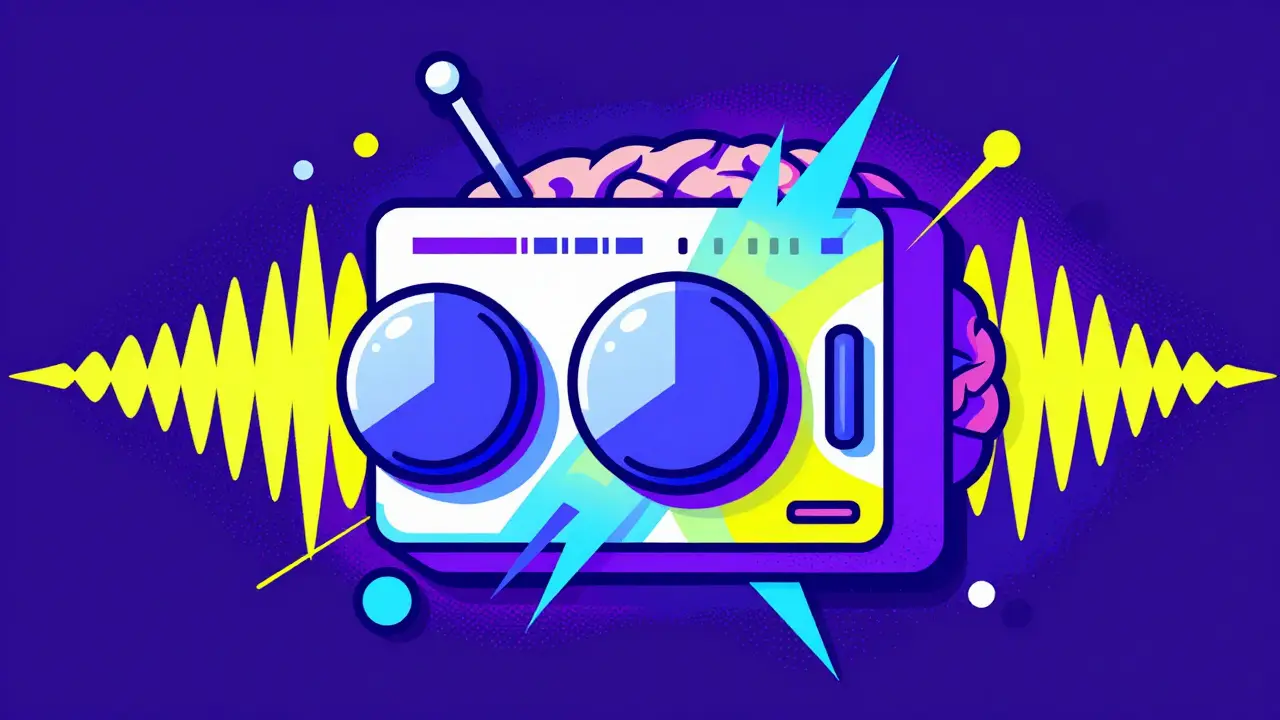
To understand why therapy works, you need to look under the hood of your auditory system. Hyperacusis isn't usually caused by damage to your ear drum. Instead, it involves the central gain mechanism in the auditory pathway. Think of your brain like a radio that has been turned up to maximum volume to hear weak signals. When regular noise comes in, that amplified signal creates pain or discomfort.
Clinical recognition of this condition dates back decades, but modern understanding relies heavily on the Jastreboff Neurophysiological Model. This framework explains that your limbic system-the part of the brain handling emotions-connects with your auditory cortex. When you hear a sound, your brain labels it as a threat. Consequently, you get an emotional reaction like anxiety or dread before you even process the sound.
Current data suggests approximately 9-15% of the general population experiences some degree of sound sensitivity, though clinically significant hyperacusis affects closer to 1-2% of people. Studies published in the International Journal of Audiology highlight that unlike typical hearing loss, this often occurs with normal hearing thresholds. About 60-70% of cases show no correlation with standard hearing test results, meaning your ears might work fine, but your brain filters the input differently.
The Core Treatment: Desensitization Therapy
Many doctors recommend treating this issue rather than managing avoidance. Avoiding sound actually makes the problem worse because your brain continues to treat silence as safety and noise as danger. Desensitization therapy aims to break that cycle. Developed significantly in the 1980s, this approach retrains your auditory processing pathways through controlled exposure.
Desensitization Therapy is a non-invasive treatment designed to gradually increase sound tolerance without medication. It follows a specific protocol. You do not just throw yourself into a crowded mall immediately. That would cause symptom exacerbation. Instead, you start with very low-level broadband noise or music.
The starting point is typically set at 10-15 dB above your hearing threshold or 20-30 dB below your discomfort level. From there, you increase the volume by small increments, perhaps 1-2 dB per week. The goal is to expose yourself to 2-8 hours of sound daily. Over time, this teaches the brain that these frequencies are safe, reducing the 'threat' response.
How Long Does It Take and How Much Does It Cost?
If you are looking for a quick fix, this path might disappoint you initially. Data from the Massachusetts Eye and Ear Infirmary shows an average treatment duration of 12.7 months. During this time, you commit to daily practice. However, clinical studies indicate 60-80% effectiveness rates when properly administered over 6-18 months.
Regarding costs, you need a device that plays sound consistently. Standard hearing aids often aren't suitable because they lack the necessary low-level output for gradual retraining. Dedicated sound generators cost between $200 and $800. While this is less than the $1,500-$6,000 per ear you might spend on custom hearing aids, the primary investment is your time and the expertise of a specialist.
Comparing Your Options
| Treatment Method | Effectiveness Rate | Duration | Risks |
|---|---|---|---|
| Desensitization Therapy | 60-80% | 6-18 months | Frustration, high dropout rate |
| Sound Avoidance | Negative impact | Ongoing | Worsens sensitivity by 30-40% |
| Medication Only | 25-35% reduction | Short-term | Side effects, limited efficacy |
| Cognitive Behavioral Therapy (CBT) | Good for anxiety | 8-12 sessions | Does not address physical tolerance alone |
As you can see, avoiding sound creates a feedback loop that increases sensitivity. Many patients try using earplugs constantly. Unfortunately, hearing protection overuse leads to auditory deprivation. Your brain perceives the environment as quieter, so it turns the gain up even higher. Once you take the plugs out, the world sounds unbearable.
Combining therapies often yields better results. Dr. Pawel Jastreboff emphasizes that addressing both auditory and emotional components simultaneously yields 35% better outcomes than sound therapy alone. Cognitive Behavioral Therapy helps you manage the anxiety while desensitization handles the physical tolerance.
Real-World Expectations and Challenges
It is important to be honest about the difficulties. Success requires consistency. Research indicates that only 54% of patients complete the full 12-month protocol. Why? Because progress feels slow. You might spend six months only gaining tolerance to 5 extra decibels. That feels hopeless until the breakthrough happens.
Initial symptom exacerbation is common. About 60% of patients report feeling worse during the first four weeks. This is why professional guidance is critical. 33% of patients who quit started at too high a volume. Working with an audiologist who specializes in this ensures you calibrate correctly. In Melbourne and across Australia, finding a specialist is becoming easier, though accessibility varies. European clinics often show higher adherence rates compared to North American ones.
User experiences on forums like Hyperacusis Research Limited suggest that working with a specialist increases completion rates to 89% compared to 52% for self-managed attempts. Community support is vital. Sharing calibrated sound files and tracking templates on platforms like Tinnitus Talk helps maintain momentum when motivation fades.

New Developments and Future Tech
The field is evolving. Recent advancements include the Neuromod Devices Lenire system, which received FDA clearance in 2023. This combines bimodal neuromodulation with sound therapy. Early trials showed a 67% improvement in symptoms. Additionally, machine learning algorithms are being tested to personalize sound therapy speeds. MIT prototypes from 2024 suggest we could see 23% faster improvement soon.
Telehealth is also reshaping access. Virtual platforms for hyperacusis therapy grew by 40% year-over-year since 2020. This means you might not need to drive to a specialized clinic every single week. However, initial assessment still requires precise loudness discomfort levels across frequencies, which usually takes 2-3 hours in person.
Getting Started Safely
If you decide to pursue this, do not buy random noise apps. Many commercial sound generator apps average only 3.2 out of 5 stars due to poor instructions. Start by consulting an accredited audiology practice. Ask specifically if they offer formal hyperacusis desensitization programs. According to industry surveys, only 22% of U.S. practices offer this formally, so availability varies.
Keep a diary of your environments. Note the decibel level of places you visit. Using a sound level meter app can verify environmental noise levels. Documenting your progress helps you realize that while a restaurant feels overwhelming today, it was louder last month. Small wins matter.
Frequently Asked Questions
Is hyperacusis permanent?
No, it is often manageable. With consistent desensitization therapy, many patients see significant improvement in their tolerance levels over 6 to 18 months, allowing them to participate in social situations again.
Can I do this therapy alone at home?
While possible, success rates are much lower without a professional. Approximately 89% of those working with a specialist complete treatment versus 52% of self-managed patients. Incorrect volume calibration can worsen symptoms.
How much does the equipment cost?
Specialized sound generators typically range from $200 to $800. This is generally cheaper than standard hearing aids, which cost $1,500 to $6,000 per ear, but you may incur additional fees for audiologist consultations.
Will medication help cure the condition?
Medication shows limited efficacy, reducing symptoms by only 25-35% in clinical trials. It is often used to manage comorbid anxiety rather than fixing the sound sensitivity itself. Non-pharmaceutical treatments are preferred first-line options.
Is this different from misophonia?
Yes. Misophonia triggers an emotional anger or disgust response to specific trigger sounds (like chewing). Hyperacusis causes a sensory pain or intolerance to broad ranges of volume. Treatments differ slightly, with success rates dropping to 40% if misophonia is also present.
