
The Reality of an FDA Visit
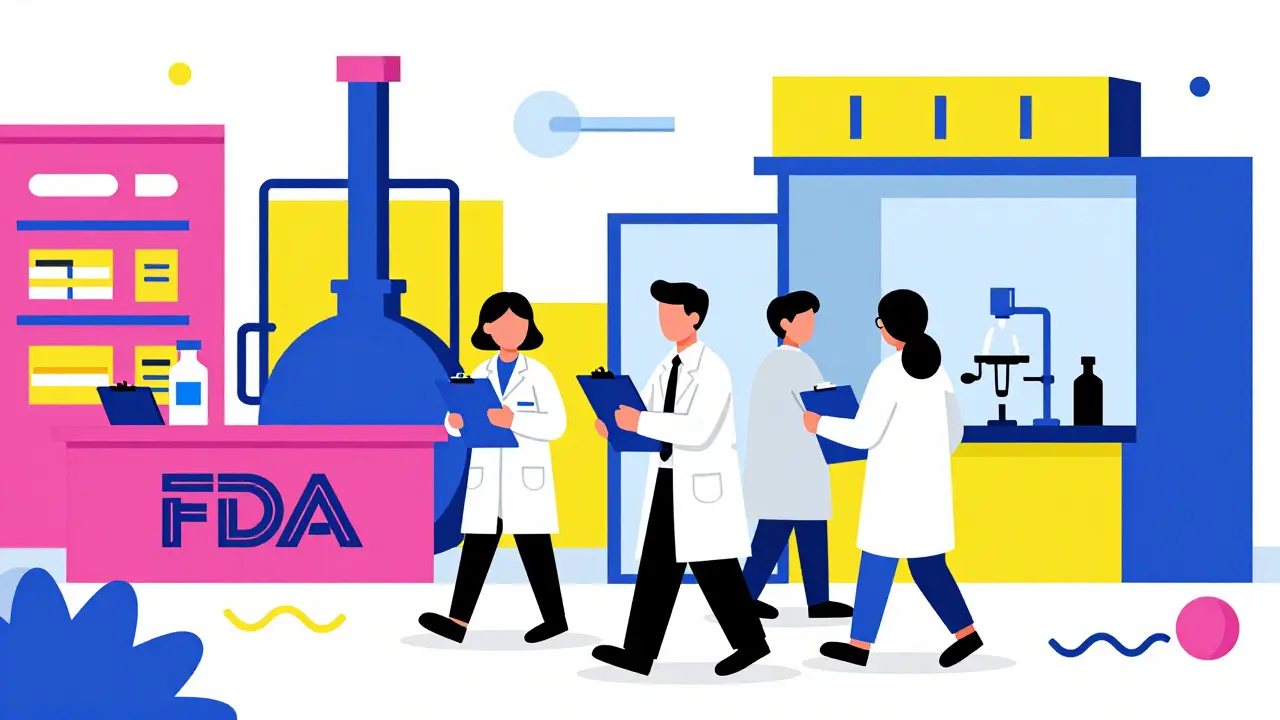
Imagine a team of investigators walking through your manufacturing plant with clipboards, asking to see records from three years ago, and checking the temperature logs on your storage units. That is the reality of an FDA inspection a regulatory review process conducted by the U.S. Food and Drug Administration to ensure compliance with safety and quality standards for generic drug facilities. It is not just a formality; it is a deep dive into whether your facility can consistently produce safe, effective medicine. As of 2026, the stakes are higher than ever. The agency has tightened its focus on data integrity and quality culture, meaning you cannot simply have the right equipment; you must prove you use it correctly every single time.
Most facilities think they are ready until the inspectors arrive. The gap between "thinking you are ready" and "being ready" is often where compliance fails. This guide breaks down exactly what happens during these visits, how the Current Good Manufacturing Practices CGMPs are regulations enforced by the FDA that require systems to ensure drug quality, identity, strength, and purity (CGMPs) are applied, and how to handle the paperwork that follows. Whether you are preparing for a routine check or a pre-approval inspection, understanding the mechanics of the process is your best defense.
Why the FDA Inspects Generic Facilities
The core mission is patient safety. Generic drugs must perform exactly like their brand-name counterparts. If a facility cuts corners on cleaning equipment or skips a validation step, the medicine could be contaminated or ineffective. The FDA operates under a risk-based model. They do not inspect every facility every year. Instead, they use a multi-criteria decision analysis model to select sites. Factors like consumer complaints, confidential informant tips, or a sudden rise in product failures can trigger an inspection.
According to data from 2023, more than 90% of inspections find facilities to have acceptable CGMP compliance. This high rate suggests that most manufacturers are doing the heavy lifting correctly. However, that 10% that fails often faces significant hurdles, including warning letters or even product seizures. The inspection is not about catching you out; it is about verifying that your quality system is robust enough to prevent errors before they reach a patient.
The Four Types of Inspections You Might Face
Not all visits are the same. The FDA categorizes inspections based on the timing and the reason for the visit. Knowing which one you are facing changes how you prepare.
- Pre-Approval Inspection (PAI): This happens when you are applying to sell a new generic product. The investigators want to verify that the data you submitted in your application matches what is actually happening on the floor. They check if the site is ready for commercial manufacturing and if your records are accurate.
- Routine Surveillance Inspection: This is the standard check-up. It happens periodically based on your risk profile. The goal is to ensure you are maintaining your standards over time.
- For Cause Inspection: This is triggered by a specific problem, such as a product recall or a whistleblower tip. These are intense and focused heavily on the area of concern, though they still evaluate the broader quality system.
- Post-Approval Inspection: Sometimes conducted after a product is already on the market to ensure ongoing compliance with the approved methods.
For generic manufacturers, the PAI is often the most critical. It determines if you get the green light to sell your product in the U.S. market. During a PAI, the team makes three critical determinations: Is the site ready? Is the submitted information consistent with site records? Is the information complete and accurate?
The 6-System Risk-Based Approach
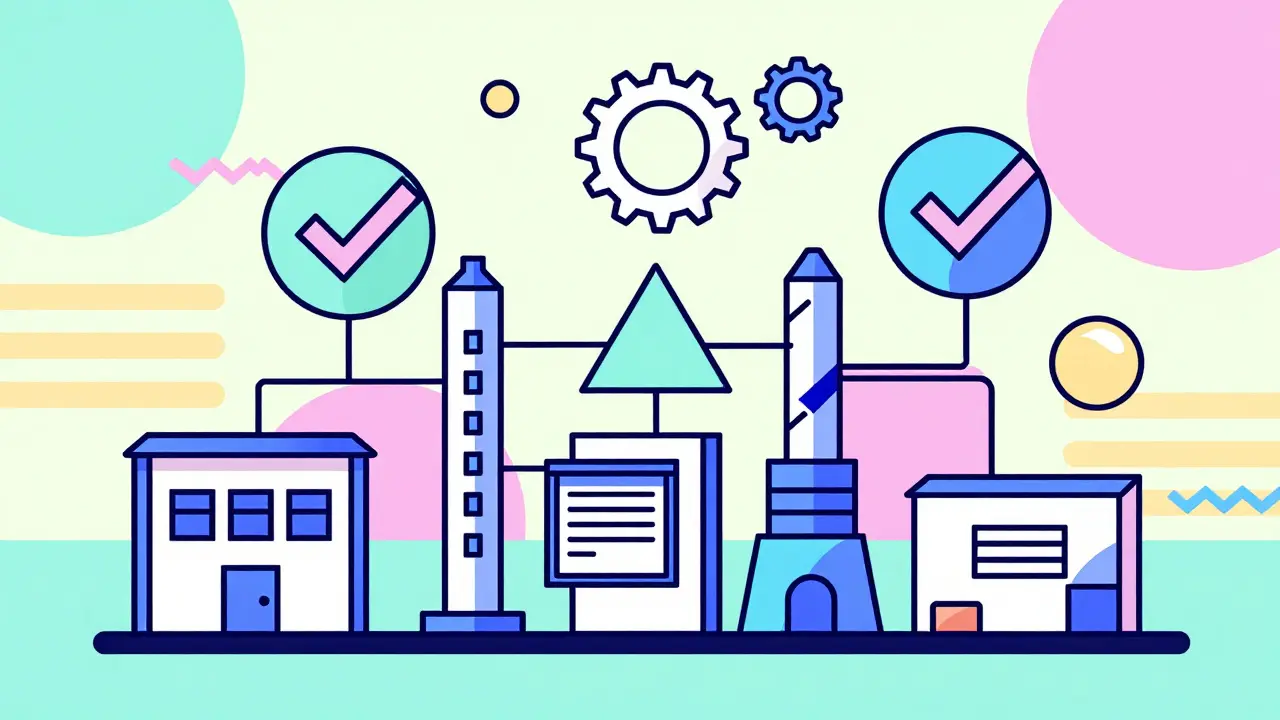
Investigators do not just walk around randomly. They follow a structured methodology known as the 6-System approach. This framework ensures they cover the most critical areas of your operation. The Quality System The overarching management system that ensures all processes are controlled and documented to meet regulatory standards is always assessed. It is the backbone of the inspection. In addition to the Quality System, investigators select two or more other systems to evaluate based on risk.
| System | What Investigators Check |
|---|---|
| Quality | Quality Control Unit authority, deviation management, and change control. |
| Facilities & Equipment | Cleanliness, maintenance logs, and equipment qualification (IQ/OQ/PQ). |
| Materials | Supplier qualification and testing of raw materials. |
| Production | Process validation and batch record accuracy. |
| Packaging & Labeling | Control of labels to prevent mix-ups and packaging errors. |
| Laboratory Control | Testing protocols, method validation, and data integrity. |
For example, if you are manufacturing a sterile injectable, the Facilities & Equipment system will likely be a top priority. The inspectors will check your cleanrooms and sterilization logs meticulously. If you are making a tablet, they might focus more on the Production and Packaging systems to ensure the right amount of active ingredient is in every pill.
What Happens During the Inspection
The inspection usually starts with an opening meeting. The lead investigator introduces the team and outlines the scope. They will ask to see your Standard Operating Procedures (SOPs) and batch records. Do not hand them everything at once. Have a designated representative ready to provide documents efficiently. Delays in retrieving records can frustrate investigators and signal poor organization.
Throughout the tour, they will look at deviation reports and non-conformance reports. These documents tell a story about how your facility handles mistakes. If you hide deviations or fail to investigate them, that is a major red flag. The FDA wants to see that you learn from errors. They will also examine your data integrity. In recent years, this has become a top priority. They want to ensure you are not manipulating data to make results look better. They check stability samples to see if they are stored under the exact conditions described in your protocols.
The inspection culminates in the closing meeting. The investigators will summarize their findings. If they see nothing wrong, they will mark the inspection as "No Action Indicated." If they find issues, they will issue a Form FDA 483 A document issued by FDA investigators listing observed conditions that may violate regulations. This form lists observations in order of significance, referencing specific regulations like 21 CFR 211.22(a) for quality control issues.
Handling the 483 and Warning Letters
Receiving a Form 483 is not the end of the world, but how you respond matters immensely. You typically have 15 business days to provide a voluntary response. This is not the time to be defensive. Your response should be technical, scientific, and specific. You need to explain the root cause of the issue and the corrective actions you are taking.
The FDA conducts a compliance review after receiving your response. They consider regulatory requirements, technical standards, and the risk of patient harm. If they are not satisfied with your response, they may issue a Warning Letter. This is a public document that can damage your reputation and halt business. In 2025, the FDA finalized guidance for post-warning letter meetings (PWLMs), giving manufacturers a clearer path to address findings and discuss compliance strategies with the agency.
If you receive a Warning Letter, you must take immediate action. The FDA may conduct follow-up inspections to verify your corrective actions. Failure to correct issues can lead to more severe penalties, including injunctions or product seizures. The key is to treat every observation as a critical learning opportunity to improve your quality system.
Preparing for the Inspection
Preparation should not start the day before the visit. You should maintain a permanent state of inspection readiness. This means your SOPs are up to date, your training records are complete, and your equipment is calibrated. Industry experts recommend simulating inspections internally. Have a team member play the role of an investigator and try to find gaps in your documentation.
Another critical aspect is plant presentation. Ensure all areas are maintained to GMP standards. Create efficient routes for facility tours that showcase your operations without disrupting ongoing work. Designate appropriate spaces for the inspection team to review documents. This shows respect and organization.
Since 2024, the FDA has launched the PreCheck Program A voluntary program allowing manufacturers to get FDA feedback on facility design and operations before production begins. This program includes a Facility Readiness Phase. It encourages companies to submit comprehensive facility-specific information through a Type V Drug Master File (DMF). You can get feedback during facility design, construction, and pre-production. This proactive approach helps you avoid costly mistakes before you even start making drugs. It is a significant evolution in how the FDA interacts with manufacturers, shifting from pure enforcement to partnership during the development stage.
The Importance of Data Integrity
Data integrity is the backbone of modern FDA inspections. It is not enough to have data; the data must be accurate, complete, and consistent. Investigators are trained to spot signs of data manipulation. They check for deleted files, shared passwords, and inconsistent timestamps. They want to see that your electronic systems are secure and that you have audit trails enabled.
When they review your testing protocols for raw materials and finished products, they are looking for evidence that you followed the method exactly. If you deviate from the method without documenting why, that is a violation. The FDA's focus on data integrity means that your IT and Quality teams must work closely together. Ensure your computerized systems are validated and that you have robust backup procedures.
Building a Culture of Quality
Ultimately, the FDA is looking for a culture of quality. This means that every employee, from the CEO to the line worker, understands their role in ensuring product safety. It is not just about following rules; it is about caring about the outcome. Facilities with mature quality management systems tend to experience smoother inspections. The subtle interplay between equipment, processes, and controls tells a story about your facility's readiness.
If your team is engaged and understands the "why" behind the regulations, they will be more likely to catch issues before an inspector does. This proactive mindset is what separates compliant facilities from those that struggle. Remember, the goal is not just to pass an inspection but to ensure that every dose of medicine leaving your facility is safe and effective.
How long does an FDA inspection typically last?
The duration varies based on the scope and complexity of the facility. A routine surveillance inspection might last 3 to 5 days, while a Pre-Approval Inspection (PAI) can extend to 10 days or more, depending on the number of products and processes being reviewed.
What happens if I receive a Form 483?
You must respond within 15 business days. Your response should detail the root cause analysis and corrective actions. The FDA will review this to determine if further regulatory action, such as a Warning Letter, is necessary.
Can I request a meeting with the FDA after an inspection?
Yes, especially if you receive a Warning Letter. The FDA offers Post-Warning Letter Meetings (PWLMs) to discuss compliance strategies and resolve outstanding issues, as per guidance finalized in 2025.
What is the PreCheck program?
Launched in 2024, the PreCheck program allows manufacturers to receive FDA feedback during facility design and construction phases. It helps ensure compliance before full-scale production begins, reducing the risk of inspection findings later.
How does the FDA select facilities for inspection?
The FDA uses a risk-based site selection model. Factors include product risk, previous inspection history, consumer complaints, and confidential tips. High-risk products or facilities with past issues are inspected more frequently.
