
Paragraph IV Certification: What It Means for Generic Drugs and Lower Prices
When a generic drug company files an Paragraph IV certification, a legal notice filed with the FDA to challenge an existing drug patent and seek approval to sell a generic version before the patent expires. It's a key tool in breaking drug monopolies and driving down prices. This isn't just paperwork—it's a direct challenge to the brand-name drug maker’s exclusive rights, and it’s how many of the affordable generics you buy end up on pharmacy shelves.
Here’s how it works: a company wanting to make a generic version of a drug submits an ANDA, Abbreviated New Drug Application, the streamlined FDA pathway for generic drug approval. As part of that application, they must check a box: either the original patent has expired, or they’re filing a Paragraph IV certification, a formal claim that the patent is invalid, unenforceable, or won’t be infringed by the generic version. If they choose the latter, they’re essentially saying, "We’re going to make this drug, and we’re ready to fight in court if the brand tries to stop us." The brand then has 45 days to sue. If they do, the FDA can’t approve the generic for up to 30 months—unless the court rules in the generic company’s favor sooner.
This system was designed by Congress to balance innovation and access. Without it, brand-name companies could extend their monopoly by filing endless minor patents—something called "evergreening." But Paragraph IV certification forces them to prove their patents are real and worth defending. That’s why so many of the drugs you see as generics today—like metformin, lisinopril, or atorvastatin—were first brought to market by companies willing to take that legal risk. And when they win, prices drop fast. One study found that within a year of a successful Paragraph IV challenge, generic prices fall by 80% or more.
It’s not always smooth. Sometimes the brand wins, and the generic stays off the market. Other times, the two companies strike a deal—paying the generic maker to delay entry, which the FTC now watches closely. But when it works as intended, Paragraph IV certification puts power back in the hands of patients and pharmacies. You don’t need to be a lawyer to benefit from it. Every time you pick up a cheaper generic, there’s a good chance a Paragraph IV certification made it possible.
Below, you’ll find real-world examples of how this process plays out—how it affects drug availability, pricing, and even which medications end up in your prescription bottle. Whether you’re a patient saving money, a pharmacist advising customers, or just curious about how drug pricing works, these posts break it down without the jargon.
5
Dec
2025
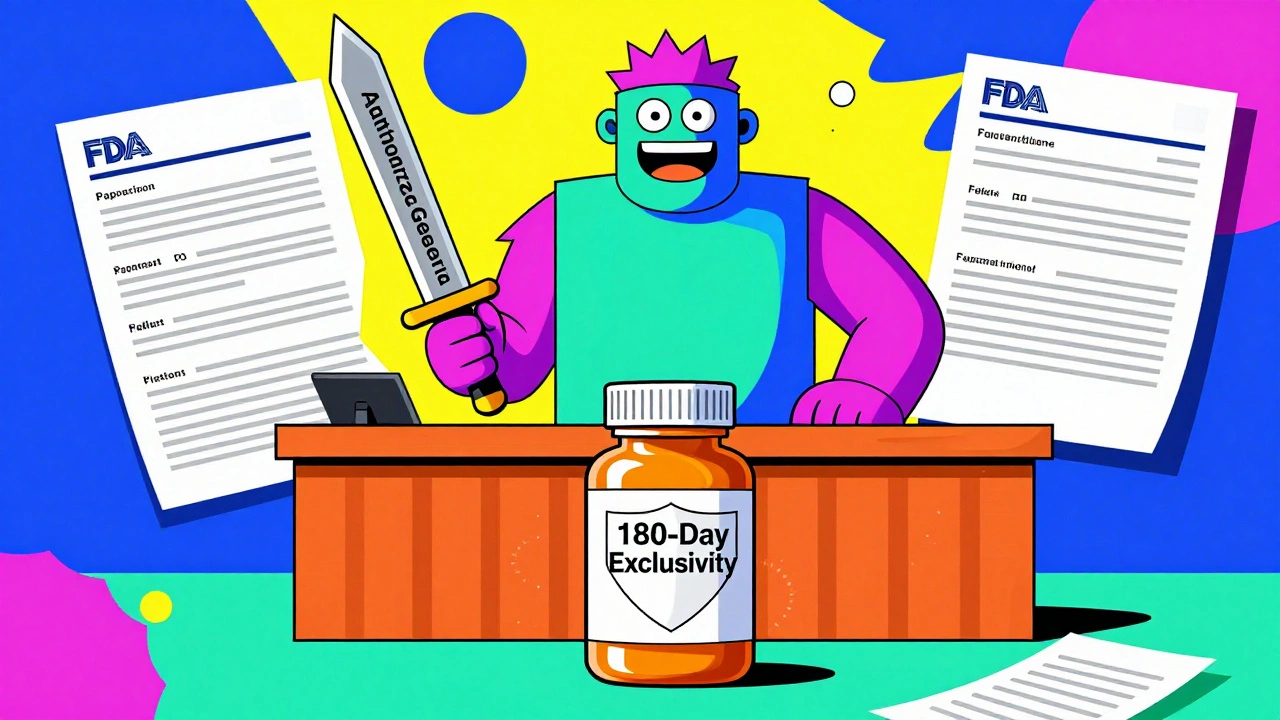
180-Day Exclusivity and Authorized Generics: Legal Considerations in U.S. Drug Markets
The 180-day exclusivity rule was meant to reward generic drug makers for challenging patents. But brand-name companies can legally launch their own versions - called authorized generics - during that window, undercutting profits and undermining the system’s purpose.
© 2026. All rights reserved.