
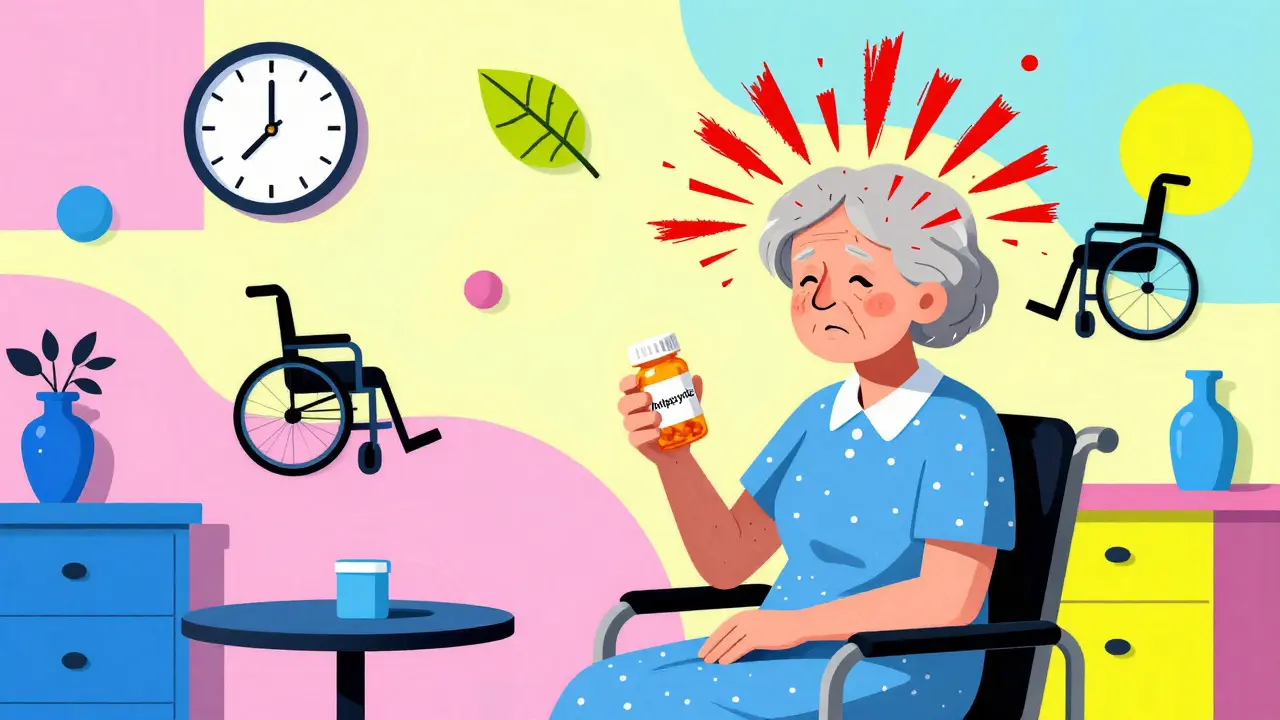
When a loved one with dementia starts pacing at night, yelling for no reason, or becoming aggressive, it’s heartbreaking. Families often feel desperate for a solution. That’s when doctors sometimes suggest antipsychotic medications - drugs meant to calm agitation. But here’s the truth most people don’t hear: antipsychotics can double the risk of stroke in seniors with dementia. And that’s not a rare side effect. It’s a well-documented, life-threatening danger. Since 2005, the U.S. Food and Drug Administration (FDA) has issued its strongest warning - a black box warning - for all antipsychotic drugs used in elderly patients with dementia. The warning says these drugs increase the risk of death by 60% to 70%. Stroke is one of the top reasons why. It’s not just a theory. Researchers looked at 17 placebo-controlled studies involving thousands of older adults. Those taking antipsychotics were 1.6 to 1.7 times more likely to die than those on a sugar pill. And stroke was a major contributor. Even more alarming? You don’t need to take these drugs for months to be at risk. A major study from the American Heart Association in 2012 found that stroke risk shoots up after just a few days of use. That means the danger isn’t about long-term use - it’s about any use at all.
How Do Antipsychotics Cause Strokes?
Antipsychotics don’t just affect your mood. They interfere with your brain’s blood flow. These drugs block dopamine and serotonin receptors, which sounds fine until you realize those same receptors help control blood pressure and blood vessel function. One major mechanism is orthostatic hypotension - a sudden drop in blood pressure when standing up. In seniors, this can cause dizziness, falls, and reduced blood flow to the brain. Over time, that increases stroke risk. They also trigger metabolic changes. Weight gain, high blood sugar, and elevated cholesterol are common side effects. These are all major stroke risk factors. In fact, one study found that antipsychotics worsen metabolic syndrome in over 40% of elderly dementia patients within six months. And here’s the cruel twist: the very symptoms doctors are trying to treat - confusion, agitation, hallucinations - might be early signs of brain damage from small, undetected strokes. So, is the drug causing the stroke… or is the stroke causing the behavior? The line is blurry.Typical vs. Atypical Antipsychotics: Is One Safer?
You’ve probably heard that second-generation, or “atypical,” antipsychotics like risperidone or quetiapine are safer than older ones like haloperidol. That’s partly true - but not in the way you think. A 2023 review in Neurology analyzed five major studies. Four of them showed that long-term use (over 90 days) of first-generation antipsychotics (FGAs) carried a higher stroke risk than atypical ones (SGAs). But here’s the catch: both types still raised stroke risk significantly. In fact, a Johns Hopkins study using Medicare data found that stroke risk was nearly identical between the two classes. The difference wasn’t in safety - it was in how they damaged the body. FGAs caused more movement disorders and sudden drops in blood pressure. SGAs caused more weight gain and diabetes. So which is worse? Neither. Both are dangerous. The American Geriatrics Society’s Beers Criteria (2015) says it plainly: Don’t use antipsychotics for dementia-related behavioral symptoms at all. Not for a week. Not for a day. Not even in emergencies.Why Are These Drugs Still Prescribed?
If the risks are so clear, why do nursing homes and even some family doctors still prescribe them? Because they’re easy. Managing agitation in dementia isn’t about pills. It’s about understanding the person. Was the person scared because the lights were too bright? Did they feel trapped because the room was too noisy? Were they in pain and unable to say so? Non-drug approaches - like music therapy, structured routines, gentle touch, or adjusting the environment - take time. Staffing is low. Families are exhausted. Medication feels like the fastest fix. A 2022 study found that nearly 30% of nursing home residents with dementia were on antipsychotics - even though less than 10% met the strict criteria for psychosis. Most were prescribed for wandering, yelling, or resisting care. The FDA warning has been out for nearly 20 years. Yet, in Australia, Canada, and the U.S., these drugs are still routinely used. Why? Because there aren’t enough trained staff, enough resources, or enough alternatives.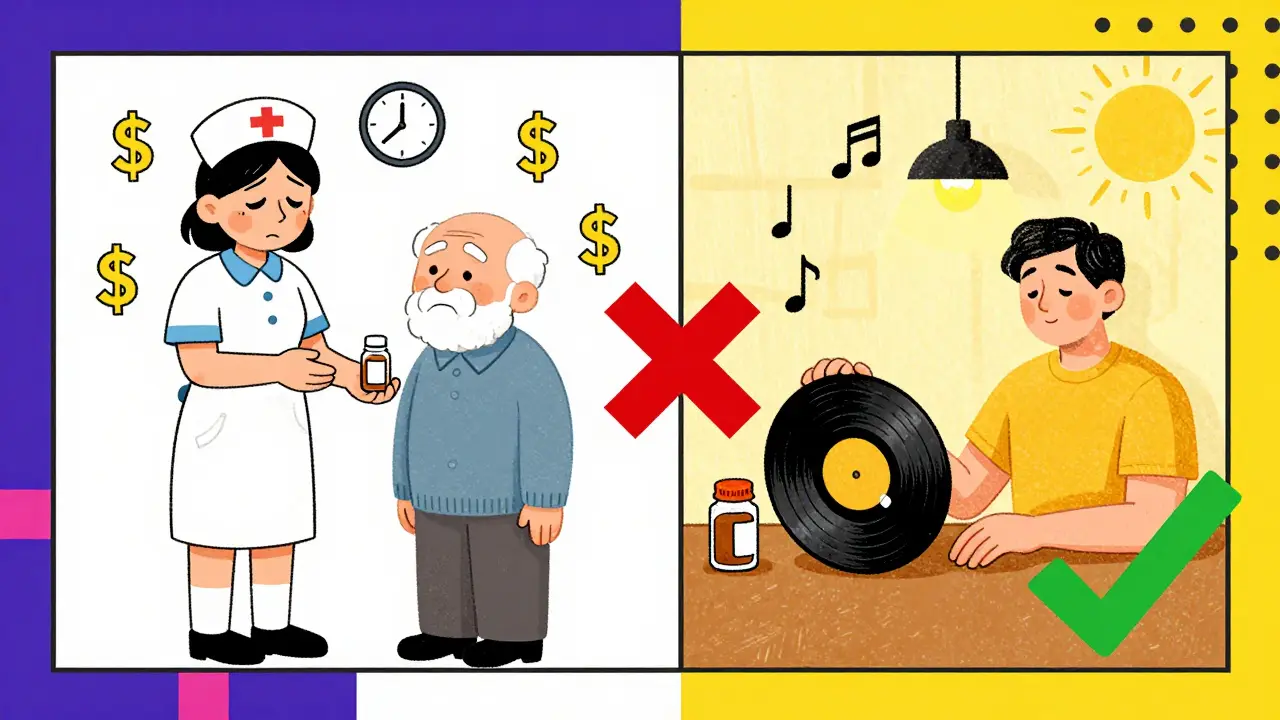
What Should You Do Instead?
The good news? You don’t need drugs to manage behavioral symptoms. Start here:- Check for pain. Many dementia patients yell or hit out because they have an untreated urinary tract infection, arthritis, or constipation.
- Reduce noise and clutter. Overstimulation triggers agitation. Soft lighting, quiet spaces, and familiar objects help.
- Use music. Familiar songs from their youth can calm even the most agitated person.
- Establish routines. Predictability reduces anxiety. Same meals, same walks, same bedtime.
- Train caregivers. Programs like Person-Centered Care and DICE (Describe, Investigate, Evaluate, Create) have been shown to cut antipsychotic use by over 50% in nursing homes.
The Real Cost of a Prescription
Let’s say your 82-year-old mother with moderate dementia is prescribed risperidone. You’re told it’s “just to help her sleep.” Within three weeks, she falls in the bathroom. A CT scan shows a small stroke. She can’t walk like before. She needs a walker. She’s in rehab for six weeks. The medical bills? Over $30,000. Her quality of life? Never the same. That’s not an accident. That’s a known side effect. The FDA, the American Heart Association, and the American Geriatrics Society all agree: antipsychotics for dementia-related behavior are not worth the risk.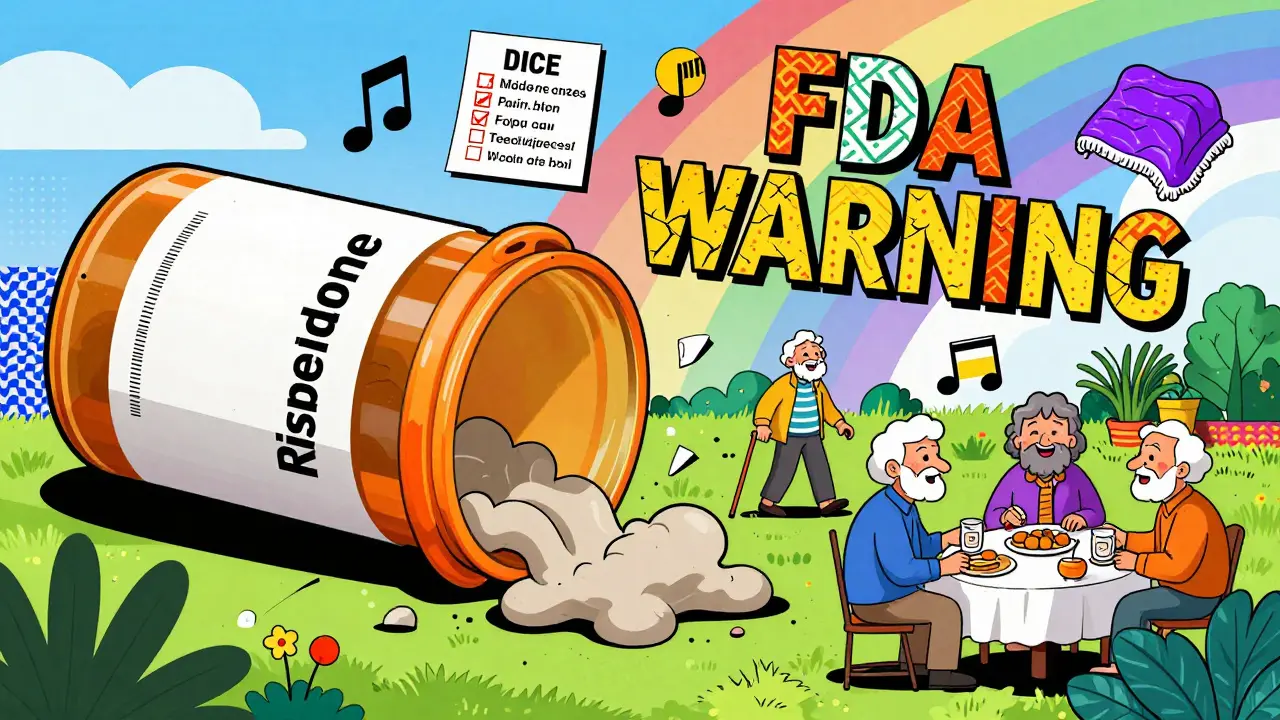
When Might a Doctor Still Recommend Them?
There’s one exception - and it’s rare. If a person with dementia is having severe hallucinations or delusions that cause extreme distress - like believing family members are trying to poison them - and all non-drug options have failed, then a short-term, low-dose trial might be considered. Even then, the goal isn’t to keep them on it forever. It’s to use it for 2-4 weeks, then stop. And even that is controversial. A 2021 study in The Lancet found that even in these extreme cases, the risk of stroke or death remained elevated. No dose is truly safe.What’s the Bottom Line?
Antipsychotics are not a treatment for dementia. They are a dangerous shortcut. The evidence is overwhelming: these drugs increase stroke risk, raise death rates, and cause lasting harm - even with short-term use. You have power here. If your doctor suggests an antipsychotic, ask:- “What specific behavior are we trying to change?”
- “Have we tried non-drug strategies first?”
- “What are the alternatives?”
- “What happens if we don’t use this drug?”
Are atypical antipsychotics safer than typical ones for seniors with dementia?
No. While atypical antipsychotics (like risperidone or olanzapine) cause fewer movement problems, they still raise the risk of stroke and death just as much as older drugs like haloperidol. The main difference is side effects: atypicals cause more weight gain and diabetes, while typical ones cause more drops in blood pressure. Neither is safe.
Can antipsychotics be used for a short time if other options fail?
Even short-term use - as little as a few days - increases stroke risk by 80%, according to the American Heart Association. Guidelines say these drugs should only be considered in extreme cases, like severe psychosis with danger to self or others, and only after all non-drug options are tried. Even then, they should be used for the shortest time possible and stopped as soon as possible.
Why do doctors still prescribe antipsychotics if they’re so dangerous?
Because managing behavioral symptoms in dementia without drugs takes time, training, and staff - all of which are in short supply. Antipsychotics are fast, cheap, and easy. But they’re not safe. Many doctors know this, but feel pressured by families or overwhelmed by staffing shortages. The system isn’t designed to support non-drug care, so the dangerous shortcut remains common.
What are the best non-drug alternatives for managing agitation in dementia?
The most effective approaches include music therapy, structured daily routines, reducing noise and clutter, checking for pain or infection, using calming lighting, and training caregivers in person-centered techniques like DICE (Describe, Investigate, Evaluate, Create). Studies show these methods reduce agitation and cut antipsychotic use by over half in nursing homes.
Is it true that antipsychotics can cause death even in people without dementia?
The FDA’s black box warning applies only to people with dementia-related psychosis. However, studies have shown that even older adults without dementia who take antipsychotics - especially for off-label uses like insomnia or anxiety - face higher risks of stroke, heart problems, and sudden death. The elderly are more sensitive to these drugs no matter their diagnosis.
