
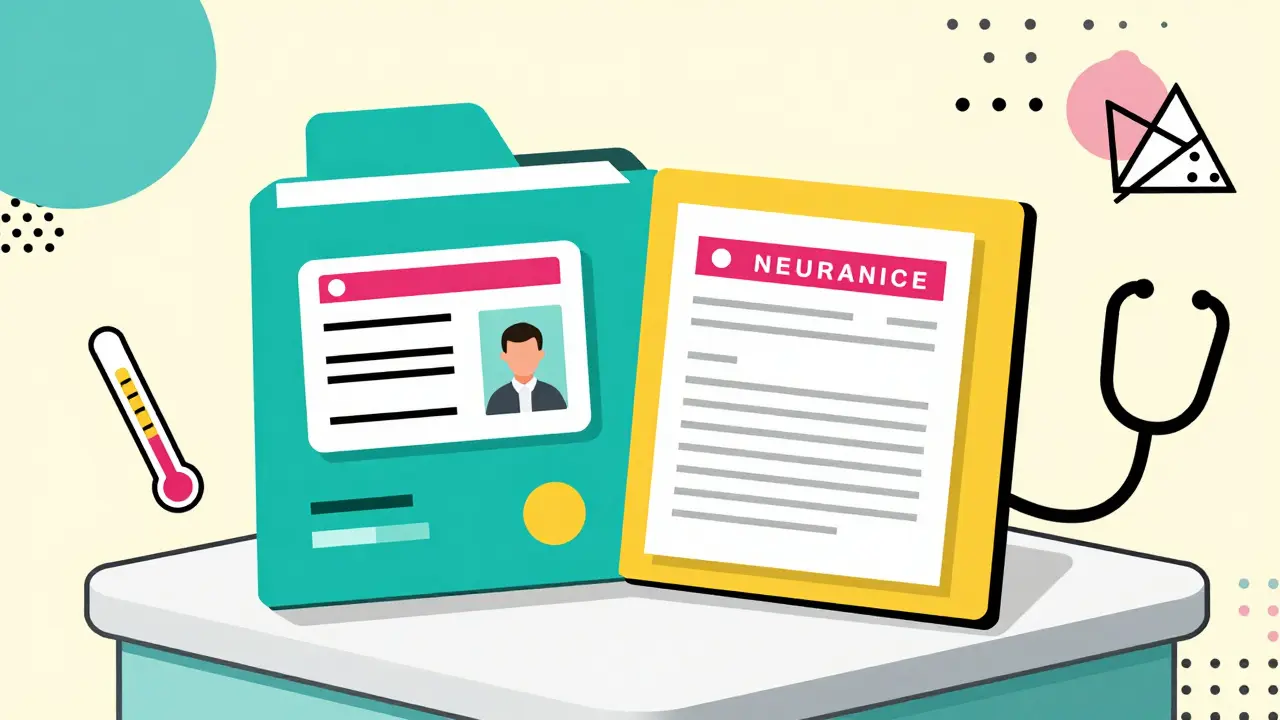
Doctor Visit Prep Assistant
1. Physical Document Checklist
2. Describe Your Symptoms Clearly
Don't just say "it hurts." Be specific.
3. Key Questions to Ask
Silence kills understanding. Edit these or add yours.
Your Appointment Brief
You walk into the clinic, heart racing a bit, knowing you have 15 minutes to explain years of health issues. But then you realize you forgot your prescription details. Or worse, you don't remember exactly when that headache started last month. These moments happen constantly. We've all been there. Preparing properly turns a stressful trip into a solution-focused chat. It saves you time and helps your doctor actually help you.
Healthcare isn't magic; it's information exchange. When you hand over a clear history, accuracy goes up. Major health networks track these metrics closely. For instance, studies indicate patients who prepare specific medication lists experience significantly fewer errors during the visit. In one internal quality report, discrepancy rates dropped by over a third when patients brought organized data. That means you get the right treatment faster. Let's break down exactly what needs to go into your bag and your brain before you leave home.
Essential Documents
Before you even open the door, you need physical proof of who you are and what covers your care. Think of this as your passport for healthcare. Without it, administrative delays eat into your actual consultation time.
- Your government-issued photo identification.
- Healthcare insurance cards (private health or national scheme).
- Completed medical forms if sent ahead.
- A folder for any lab results from other specialists.
In Melbourne, this often means having your Medicare card ready or your private health insurer details accessible. Some large clinics now use digital check-in systems similar to kiosks at airports. They generate barcodes for quick access. If your provider offers an app, download it. One system reported that digital pre-check-in cuts wait times by nearly 20 minutes. It’s about being proactive rather than reactive.
| Item | Why It Matters | Example Details |
|---|---|---|
| Photo ID | Verifies identity legally | Driver's License, Passport |
| Insurance Card | Covers billing gaps | Fund Name, Member Number |
| Allergy Alert | Prevents dangerous reactions | Penicillin, Latex, Nuts |
| Prior Lab Results | Saves repeating tests | Blood work from last 6 months |
Constructing the Perfect Medication List
This is the single most important document you can create. Doctors see prescriptions every day, but they rely on patients for the full picture. A simple list of names isn't enough. You need a detailed ledger that includes specific attributes for every pill or supplement.
Research from leading medical institutes shows that incomplete medication lists cause confusion. Imagine a doctor checking your blood pressure med but missing the fact you're taking a supplement that interacts with it. To avoid this, write down six specific data points for each item:
- Name of Drug: Don't abbreviate unless it's a standard known code.
- Strength: Is it 10mg or 20mg? Specify exact weight.
- Dosage Amount: Do you take a whole tablet or half?
- Frequency: Twice daily? Once weekly? With food?
- Purpose: Why was this prescribed originally?
- Start Date: Roughly when did you begin taking it?
Don't forget "as needed" items. Many guidelines suggest including rescue inhalers or nitroglycerin pads that people often forget because they aren't taken daily. Even vitamins and herbal supplements count. Include those too. If you use apps to track health data, sync them. Some mobile platforms now allow direct import of pharmacy records into your electronic file. This ensures the doctor sees updates between visits.
Describing Symptoms Clearly
How you explain your problem dictates the diagnosis path. Vague terms like "it hurts" give a doctor little to work with. Instead, structure your story around the timeline and triggers. Medical protocols suggest documenting specific temporal markers before the visit.
Note the onset date. Did this start three days ago or three years ago? Track the duration. Does the pain last five minutes or five hours? Measure intensity. Use a scale of 1 to 10 consistently. Finally, identify exacerbating factors. Does standing make it worse? Does eating spicy food trigger it? Conversely, what alleviates it? Rest? Ice? Painkillers?
One study found that patients who prepared symptom logs with these four specific domains achieved higher resolution rates for their primary health issues compared to those who just talked casually. It's the difference between guessing facts and stating them.
Safety Planning Discussions are also critical. This involves preparing to discuss mental state and risk factors openly.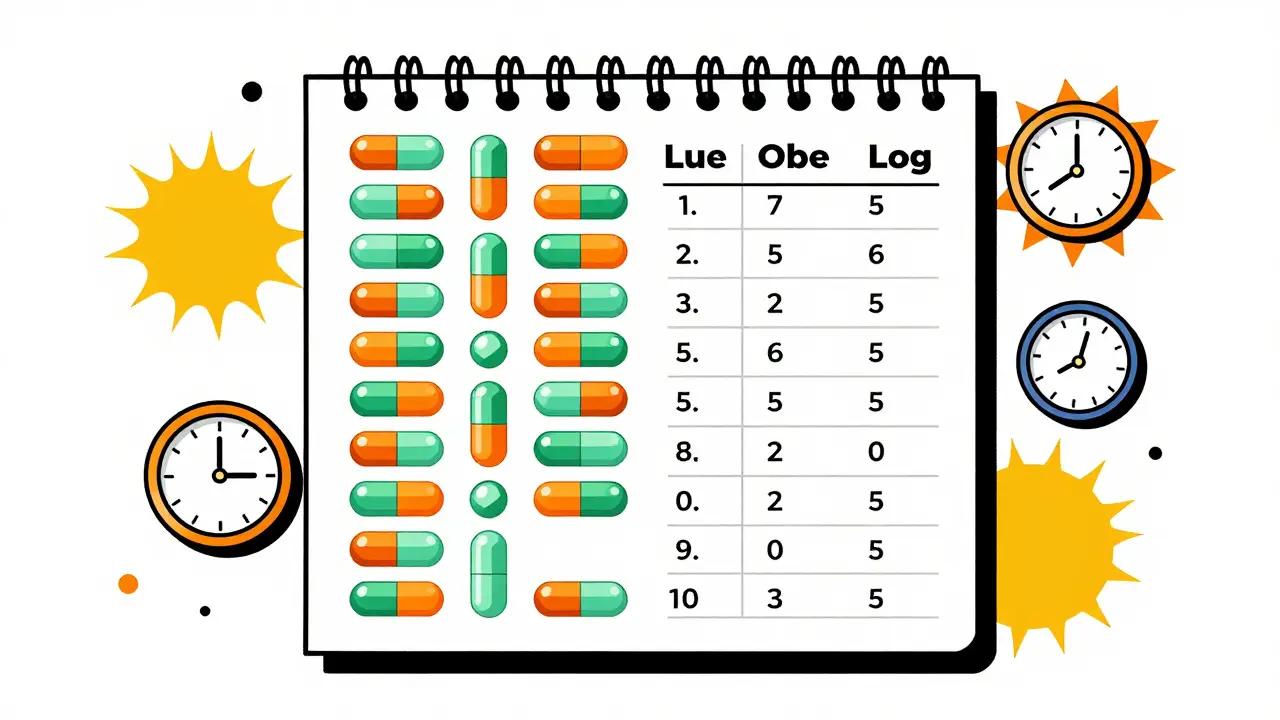
Questions That Drive Results
Most people sit silently until the consultation ends, terrified of running out of time. Don't do that. Silence kills understanding. Prepare a short list of three to five prioritized questions. Experts recommend asking specific inquiries regarding the proposed treatment plan. For example, always ask "Why are you recommending this specific test or drug?" Understand the rationale behind the decision.
Inquire about side effects. Ask, "Are there immediate risks or long-term consequences I should watch for?" Consider the personal impact. A powerful question often used is, "What would you recommend if this were a family member?" It humanizes the advice and often clarifies the level of urgency.
If lifestyle changes are involved, ask for quantification. Don't accept "exercise more." Ask, "How many minutes per day do you suggest starting with?" Precision prevents ambiguity when you leave the office. If you are unsure about the answer later, clarify immediately. Better to spend two extra minutes in the room than go home confused.
Reviewing Lifestyle Factors
Your habits matter deeply to your health outcomes. During annual wellness checks, be ready to discuss alcohol, tobacco, exercise, and diet specifics. Be honest about consumption. For instance, stating "I drink about two glasses of wine weekly" is far more useful than saying "sometimes."
Honesty here protects you. Medical privacy laws in most regions protect your disclosure. Clinics adhere to strict confidentiality standards regarding substance use and mental health. Providing accurate numbers helps your GP tailor advice that actually works for your body. Hiding details usually leads to treatments that fail because they address the wrong inputs.

Using Digital Tools Effectively
Technology bridges the gap between visits. Many providers now offer patient portals. Check if your clinic supports online submission of these lists. Some systems allow pre-visit documentation upload, giving the nurse a head-start. Reports show that users of these tools complete paperwork significantly faster than those doing it on-site.
Wearable devices are also changing the game. Sync your step count, sleep data, or heart rate history. Some future-ready clinics plan to integrate this data directly into patient profiles. If you track your own vitals, print those summaries or export them to PDF. This creates a longitudinal view of your health that a single pulse check cannot match.
Ensuring Follow-Up Clarity
The appointment doesn't end when you walk out the door. Clarify the next steps explicitly. Who handles the billing? When do results come back? Do you need a follow-up referral? Write these down before you leave. Studies tracking patient outcomes suggest that unstructured visits lead to lower adherence to treatment plans.
Set reminders on your phone for the dates mentioned. If you agree to try a medication for two weeks, schedule a check-in reminder for the 15th day. Taking ownership of the timeline ensures you don't lose momentum. If things don't improve, you have a clear trigger point to return and discuss alternatives.
Should I record my conversation with the doctor?
Always ask for permission first. Recording can help you remember complex instructions, but some facilities have strict policies on consent. Written notes are safer and universally accepted.
Is bringing a friend allowed during the appointment?
Yes, in most cases. Bringing a support person can help you recall details and manage emotional stress. Just let the receptionist know in advance so they can register the second guest.
What if I forget my medication list at home?
Use your smartphone to look up pharmacy records if available through your insurer app. Otherwise, be honest. The doctor can order checks, though it may delay the consultation time.
Do over-the-counter drugs need to be listed?
Absolutely. Common medications like ibuprofen or antihistamines interact with prescriptions. Always include supplements and non-prescription items in your written list for safety.
How much detail is needed for symptom descriptions?
Focus on timing, severity, and triggers. Specifics like "pain starts 1 hour after eating" are better than "my stomach hurts." Precision allows for better diagnostic accuracy.
