
Liver Fluid Buildup: Causes, Risks, and What You Need to Know
When your liver can’t function properly, fluid starts collecting in your belly—that’s liver fluid buildup, the abnormal accumulation of fluid in the abdominal cavity, often linked to advanced liver damage. Also known as ascites, it’s not just a symptom—it’s a warning sign your liver is struggling. This isn’t normal swelling. It happens when the liver’s ability to make proteins drops, blood pressure in the portal vein rises, and kidneys start holding onto salt and water. The result? Your belly swells, you feel full fast, and breathing gets harder.
Most cases of liver fluid buildup come from cirrhosis, scarring of the liver that blocks blood flow and impairs function. Alcohol abuse, hepatitis B or C, and fatty liver disease are the top causes. But it doesn’t stop there. High pressure in the portal vein, the main blood vessel carrying blood from the intestines to the liver, forces fluid out into the belly. And when the kidneys respond by holding onto sodium, the fluid builds up even faster. People with this condition often have other liver complications too—like hepatic encephalopathy or bleeding from swollen veins in the esophagus.
Ignoring liver fluid buildup is dangerous. Left untreated, it can lead to infection in the fluid (spontaneous bacterial peritonitis), kidney failure, or even liver failure. The good news? It’s treatable. Doctors usually start with salt restriction and diuretics like spironolactone and furosemide. If that doesn’t work, they may drain the fluid with a needle (paracentesis). For some, a TIPS procedure—putting a shunt in the liver to reduce pressure—can help. But the real fix? Addressing the root cause. Stopping alcohol, treating hepatitis, or losing weight can slow or even reverse early damage.
What you’ll find in the posts below are real, practical guides on how liver fluid buildup connects to bigger liver problems, what treatments actually work, and how to spot trouble before it gets worse. You’ll see how it ties into portal hypertension, why ascites is a red flag for cirrhosis, and what steps can help you stay ahead of complications. This isn’t theory—it’s what people with advanced liver disease need to know to survive and manage their condition.
7
Dec
2025
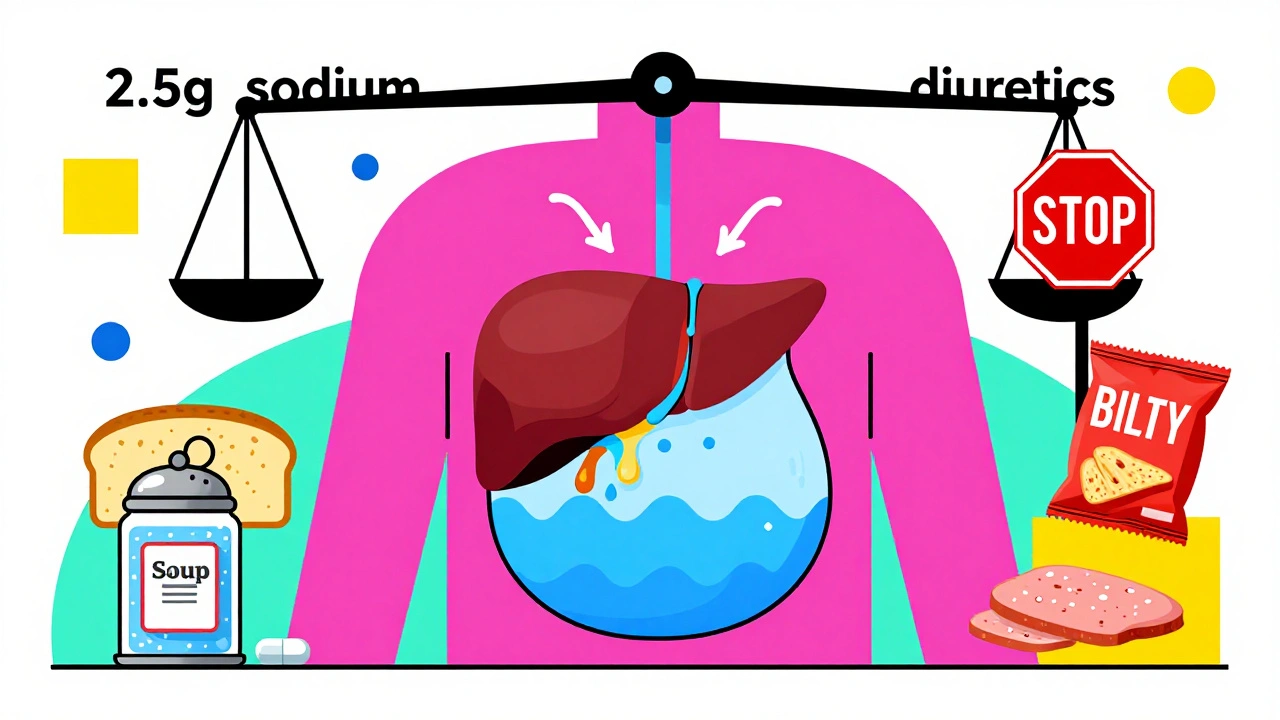
Ascites Management: How Sodium Restriction and Diuretics Really Work
Ascites from cirrhosis requires careful management with sodium control and diuretics. Learn the latest evidence on how much salt to eat, which medications work best, and what to avoid to prevent complications.
© 2026. All rights reserved.