
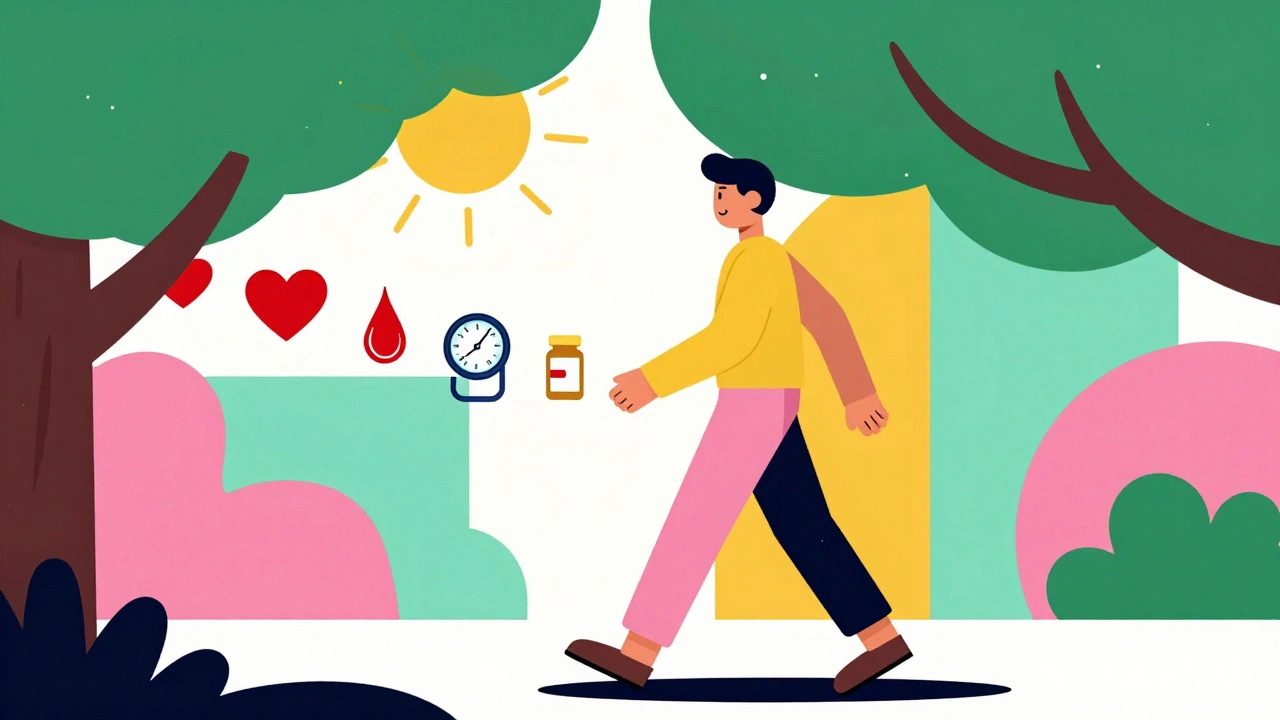
Every year, over a million people in the U.S. end up in the emergency room because of bad reactions to their medications. Many of these cases aren’t caused by mistakes in prescribing - they’re caused by things we do every day: what we eat, how much we sleep, whether we move our bodies, or even how we handle stress. The truth is, lifestyle changes don’t just help you feel better - they can actually reduce the number of pills you need, lower your risk of dangerous side effects, and even prevent hospital visits.
Why Lifestyle Changes Matter When You’re on Medication
Taking multiple medications - known as polypharmacy - is common, especially for people managing chronic conditions like high blood pressure, diabetes, or high cholesterol. But the more pills you take, the higher your risk of bad interactions, side effects, and hospital stays. A 2022 study found that people taking five or more medications are three times more likely to have a serious adverse drug event. The good news? You’re not powerless. Research from the JAMA Internal Medicine a 2023 meta-analysis of 247 studies involving 3.4 million people shows that making simple, consistent lifestyle changes can reduce medication needs by 25% to 50% for conditions like hypertension, type 2 diabetes, and high cholesterol. These aren’t magic fixes. They’re science-backed adjustments that work alongside your meds - not against them.Move More: Exercise That Lowers Your Pill Count
You don’t need to run marathons. Just walking briskly for 30 minutes, three times a week, can make a real difference. This kind of activity strengthens your heart, improves circulation, and helps your body use insulin more efficiently. For people with high blood pressure, regular walking can lower systolic pressure by up to 10 mm Hg - about the same as a low-dose blood pressure pill. A real-life example from Reddit user ‘HypertensionWarrior’ shows how this works in practice: after six months of daily walks and cutting sodium, their blood pressure dropped from 150/95 to 125/80. Their doctor was able to stop one of their medications entirely. That’s not luck - it’s physiology. The American Heart Association recommends 150 minutes of moderate aerobic activity each week - that’s 30 minutes, five days a week - plus two days of strength training. Start slow. If you can’t walk 30 minutes straight, do three 10-minute walks. Build up. Your body responds to consistency, not intensity.Eat Smart: Food That Works Like Medicine
What you eat directly affects how well your medications work - and sometimes, whether they work at all. For high blood pressure, the DASH diet Dietary Approaches to Stop Hypertension is backed by decades of research. It focuses on vegetables, fruits, whole grains, lean proteins, and low-fat dairy - while cutting salt, sugar, and processed foods. Studies in the New England Journal of Medicine showed DASH can lower blood pressure as much as a single antihypertensive drug. For type 2 diabetes, a diet that cuts refined carbs and added sugars can improve blood sugar control to match the effect of metformin or other oral meds. Losing just 5-7% of your body weight through diet and movement can reduce diabetes medication needs by up to 60% in prediabetes and 40% in established cases. But be careful. Some healthy foods interfere with meds. Grapefruit can stop your body from breaking down statins, making them dangerously strong. Leafy greens high in vitamin K - like spinach and kale - can make blood thinners like warfarin less effective. Dairy can block absorption of certain antibiotics. Always talk to your pharmacist before making big dietary shifts. They know your exact meds and can flag risky combinations.Sleep Like Your Life Depends on It - Because It Does
Sleep isn’t just rest. It’s repair. When you don’t get enough, your body releases stress hormones that raise blood pressure, spike blood sugar, and increase inflammation - all things your meds are trying to fix. Adults need 7 to 9 hours of sleep a night. Chronic sleep deprivation is linked to higher risks of hypertension, diabetes, obesity, and heart disease. One study found that people who regularly sleep less than six hours are 20% more likely to develop high blood pressure. Improving sleep doesn’t mean buying expensive gadgets. It means consistency: go to bed and wake up at the same time every day, even on weekends. Turn off screens an hour before bed. Keep your room cool and dark. If you’re tossing and turning, try gentle breathing exercises - inhale for four counts, hold for four, exhale for six. Repeat five times.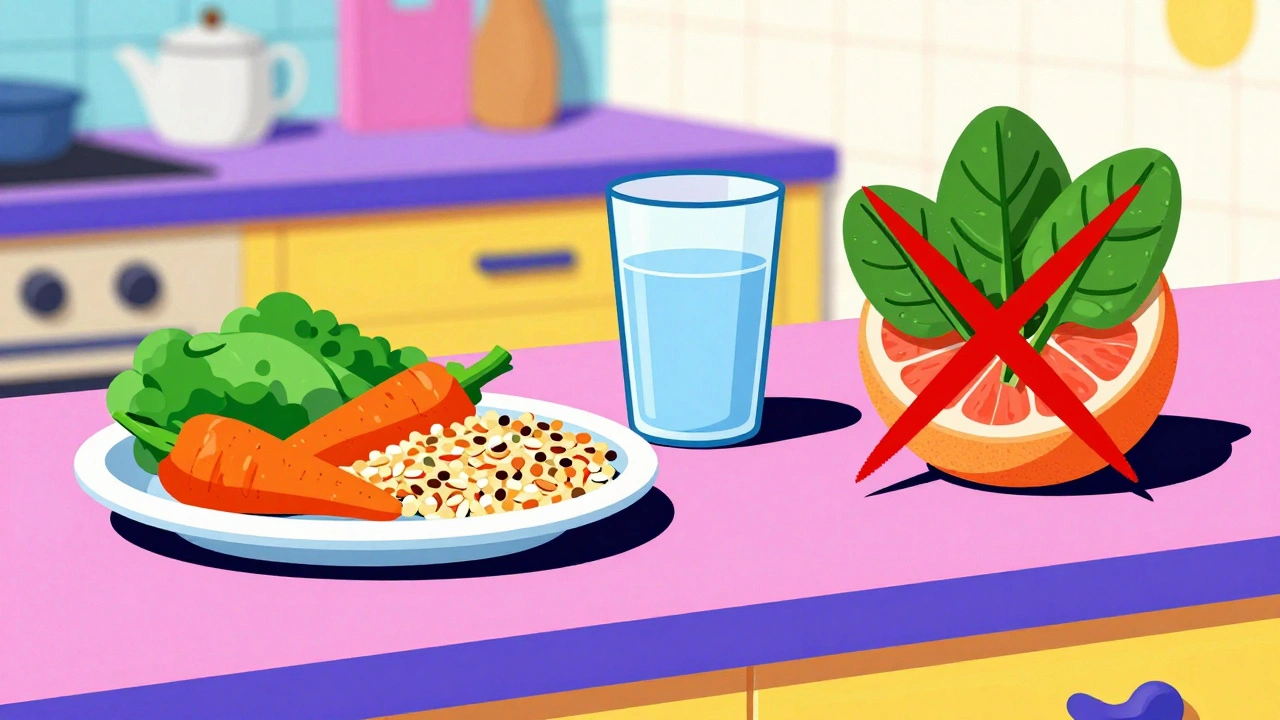
Manage Stress - It’s a Silent Med Killer
Stress doesn’t just make you feel overwhelmed. It physically raises your heart rate, blood pressure, and cortisol levels. Over time, that puts extra strain on your heart and blood vessels - making your meds work harder, or even less effectively. Simple stress-reduction techniques can help. Yoga, meditation, or even daily 10-minute walks in nature can lower blood pressure and reduce anxiety. A 2023 study from the Department of Veterans Affairs found that people with type 2 diabetes who practiced at least six healthy habits - including stress management - cut their risk of heart attack and stroke dramatically, even without new medications. You don’t need to meditate for an hour. Start with five minutes a day. Use a free app like Insight Timer or just sit quietly, focusing on your breath. The goal isn’t to eliminate stress - it’s to stop letting it control your body’s response.Quit Smoking and Limit Alcohol - No Exceptions
Smoking damages your blood vessels, raises blood pressure, and makes your heart work harder. It also reduces how well your body absorbs some medications. Quitting smoking is one of the fastest ways to improve cardiovascular health - within weeks, your circulation improves, and your risk of heart attack drops. Alcohol is trickier. A drink or two occasionally might be fine, but regular use can interfere with meds for diabetes, depression, high blood pressure, and liver conditions. The guidelines are clear: no more than one drink per day for women, two for men. And if you’re on any medication that says “avoid alcohol,” take it seriously. Even one glass can cause dizziness, liver damage, or dangerous drops in blood sugar.Don’t Stop Your Meds - Work With Your Doctor
This is critical: lifestyle changes should never replace your meds without medical supervision. Stopping blood pressure or diabetes meds suddenly can cause strokes, heart attacks, or dangerous spikes in blood sugar. Instead, work with your doctor to track your progress. Keep a log: your daily walks, what you ate, your sleep hours, and your blood pressure or glucose readings. After 3-6 months of consistent effort, you might see improvements that allow for a medication reduction. But only your doctor can decide when - and how - to adjust your prescription. A 2024 presentation by pharmacist Heather Martin at UC Davis showed patients who followed structured lifestyle programs reduced their medication dosages by 15-20% after 8-12 weeks. But they didn’t do it alone. They had support, tracking, and medical oversight.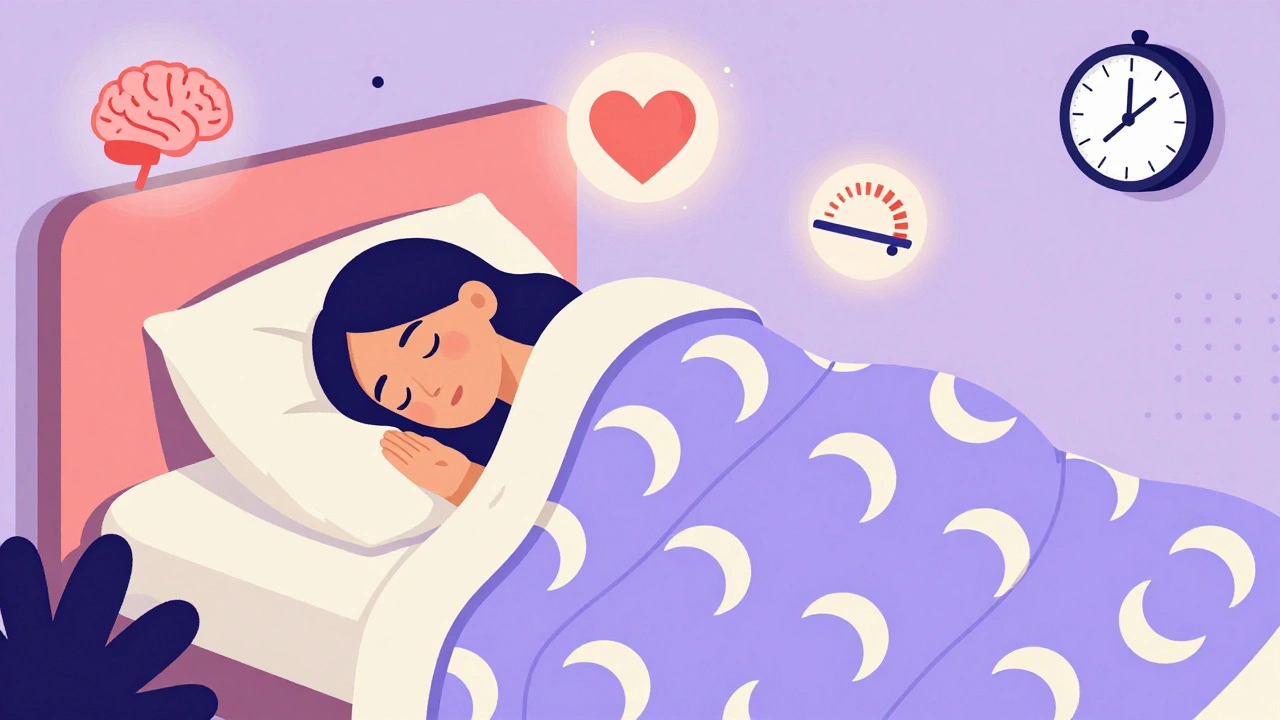
What Works Best? Real Results from Real People
People who stick with these changes don’t just take fewer pills - they feel better. The American Heart Association’s 2023 survey of 2,400 people with chronic conditions found that 68% reported improved energy, better sleep, and more confidence after adding lifestyle habits to their treatment plan. But it’s not easy. The same survey found that 32% struggled to keep up with diet and exercise. One Reddit user, ‘DiabetesJourney,’ said the hardest part wasn’t the food - it was the loneliness. Skipping birthday cakes, avoiding family dinners, feeling judged - it wears you down. That’s why support matters. Find a friend to walk with. Join a free community program. Use a simple app to track your progress. Celebrate small wins: “I walked five days this week,” or “I ate dinner without added sugar for a month.” Progress isn’t all-or-nothing. It’s steady, daily choices.Where to Start - A Simple 30-Day Plan
You don’t need to change everything at once. Pick one area and build from there.- Week 1-2: Start walking 20 minutes, three days a week. No gym needed - just outside, around the block.
- Week 3-4: Cut processed snacks. Swap soda for water. Add one extra serving of vegetables to dinner.
- Week 5-6: Set a consistent bedtime. Turn off screens 60 minutes before sleep.
- Week 7-8: Talk to your pharmacist about food-med interactions. Ask if any of your meds are affected by grapefruit, dairy, or leafy greens.
The Bigger Picture: Why This Isn’t Just About Pills
Lifestyle medicine isn’t a trend. It’s a movement backed by over 12,000 certified practitioners worldwide and growing fast. Medicare Advantage plans now cover some of these programs. Employers are saving money because employees on these plans have fewer hospital visits. The future of health care isn’t just more pills - it’s smarter living. By making small, sustainable changes, you’re not just reducing medication risks. You’re taking back control of your health.It’s not about being perfect. It’s about showing up - day after day - and choosing your body over convenience. That’s how you outlive your meds.
Can lifestyle changes really replace my medications?
No - lifestyle changes should never replace medications without your doctor’s approval. But they can reduce the amount you need. For example, losing weight and walking regularly might let your doctor lower your blood pressure or diabetes dose. Never stop or change your meds on your own - it can be dangerous.
How long does it take to see results from lifestyle changes?
Most people start seeing small improvements in blood pressure or blood sugar after 4-6 weeks. But meaningful changes - like reducing medication doses - usually take 3 to 6 months of consistent effort. Patience is key. Your body responds to habits, not quick fixes.
What foods should I avoid while on medication?
Some common ones: grapefruit (interferes with 85% of statins), leafy greens like spinach (can weaken warfarin), and dairy (can block absorption of antibiotics like tetracycline). Always ask your pharmacist - they have a complete list based on your exact meds.
Do I need to join a program or pay for coaching?
No. Free resources exist: walk in your neighborhood, use free apps for sleep or step tracking, cook simple meals at home. But if you need structure, Medicare Advantage and some employers now cover lifestyle programs. Ask your doctor or pharmacist - you might qualify for free support.
I’ve tried diet and exercise before - it didn’t work. Why now?
Maybe you tried too much too fast. Start with one habit - not five. Maybe you didn’t track your progress. Write down your steps, meals, and sleep. Maybe you didn’t have medical support. Talk to your doctor about your goals - they can help you adjust meds as you improve. Success isn’t about willpower - it’s about smart, sustainable steps.
Can I still enjoy my favorite foods?
Absolutely. Healthy eating isn’t about perfection. It’s about balance. If you love pizza, have it once a month - not every weekend. Focus on adding more vegetables, fruits, and whole grains most days. You don’t have to give up joy - just make room for better choices.
What if I can’t afford healthy food?
Healthy doesn’t mean expensive. Frozen vegetables, canned beans (rinsed), oats, eggs, and bananas are affordable and nutritious. Buy in bulk. Cook once, eat twice. Community food banks often offer fresh produce. Your health is worth the effort - even on a tight budget.
Next step: Write down your top three meds. Then, pick one lifestyle change from above - walking, sleep, or cutting salt - and start tomorrow. Small steps lead to big results.

10 Comments
Aman deep
December 11, 2025 AT 15:09man i been tryna get my bp down for years and this post hit different. i started walking after dinner just 20 mins, no fancy shoes, just my slippers. my doc was shocked when i showed him the numbers last week. not saying i’m cured but i dropped one pill. small wins, ya know? also, grapefruit? bro i love that stuff, now i gotta find a new breakfast buddy 😅
Jimmy Kärnfeldt
December 12, 2025 AT 07:33there’s something beautiful about how simple biology is when you stop fighting it. your body doesn’t care about your schedule, your budget, or your instagram diet. it just wants movement, rest, and real food. the meds? they’re bandaids on a leaky pipe. lifestyle changes? they’re fixing the pipe. not sexy, not viral… but it works. i’ve seen it in my grandma, my neighbor, even myself. you don’t need a miracle. you just need to show up.
Eddie Bennett
December 13, 2025 AT 10:13honestly? i was skeptical until i tried the sleep thing. i used to scroll till 2am, wake up groggy, then chug coffee and wonder why my meds weren’t working. started turning off screens at 10:30, dim the lights, read a physical book. within two weeks, my anxiety dropped and my glucose readings stabilized. no magic. just consistency. also, i still eat pizza. just not every friday.
Sylvia Frenzel
December 15, 2025 AT 03:06why are we even talking about this like it’s revolutionary? this is basic human biology. if you’re on five meds and still eating processed crap and sitting all day, you’re not sick-you’re negligent. stop acting like this is a lifestyle hack. it’s called not killing yourself slowly.
Paul Dixon
December 15, 2025 AT 17:14my mom’s on warfarin and she started eating kale salads every day. didn’t realize it was messing with her meds till her blood clot risk spiked. we called her pharmacist-turned out she needed to stick to one serving max. she’s fine now. point is: talk to your pharmacist. they’re the unsung heroes of this whole thing.
Vivian Amadi
December 16, 2025 AT 05:18if you’re still taking meds and think walking will fix it, you’re delusional. this post is a placebo for people who want to feel good without real medicine. stop pretending lifestyle is a cure. it’s not. it’s a supplement. and if you’re not taking your pills, you’re risking your life.
Ariel Nichole
December 16, 2025 AT 10:42i started with just one thing-drinking water instead of soda. didn’t even touch diet yet. after three weeks, my energy was better and my sugar cravings dropped. now i’m slowly adding walks. it’s not about being perfect. it’s about being consistent. and honestly? it’s way less stressful than trying to keep up with every trend.
matthew dendle
December 16, 2025 AT 22:00so you wanna replace meds with yoga and kale? cool. just dont die on my watch. i’ve seen too many people quit their bp pills because they read a reddit post and now they’re in the ER with a stroke. this isn’t a podcast. your life isn’t a content series. take your pills. walk. eat veggies. but dont be dumb.
Monica Evan
December 17, 2025 AT 15:36my cousin in rural texas has no gym but he walks 2 miles to the store every day. carries his own groceries. eats beans and rice with greens. his doctor cut his diabetes meds by half in 5 months. he didn’t know about DASH diet-he just ate what his grandma taught him. sometimes the oldest wisdom is the most science-backed. and no, he didn’t buy a Fitbit. he just moved. and slept. and stopped drinking soda. that’s it.
ps: if you’re worried about cost-frozen spinach is cheaper than chips. canned black beans > processed meat. eggs > energy drinks. your body isn’t asking for luxury. it’s asking for respect.
Taylor Dressler
December 18, 2025 AT 07:15the most important takeaway here isn’t the exercise or the diet-it’s the documentation. tracking your progress with your doctor isn’t optional. it’s the bridge between lifestyle and medication adjustment. i’ve seen patients reduce meds by 30% in 12 weeks just by logging their steps, meals, and vitals. the data doesn’t lie. if you’re serious about this, start a simple spreadsheet. date, walk duration, sleep hours, meds taken, blood pressure. do it for 60 days. then bring it to your doctor. you’d be amazed at what the numbers reveal.