
Adverse Events: What They Are, Why They Matter, and How to Stay Safe
When you take a medication, you expect it to help—not hurt. But sometimes, drugs cause unexpected and harmful reactions. These are called adverse events, harmful or unintended effects caused by medications. Also known as adverse drug reactions, they’re not rare, and they’re not always obvious. Some are predictable, like drowsiness from an antihistamine. Others strike without warning, like a sudden allergic reaction to a drug you’ve taken before without issue.
Adverse events fall into two main types: Type A reactions, predictable side effects tied to the drug’s known pharmacology, and Type B reactions, unpredictable, often immune-driven responses that aren’t dose-related. Type A reactions are common—think nausea from antibiotics or constipation from opioids. Type B reactions are rarer but more dangerous: think Stevens-Johnson syndrome from sulfa drugs or anaphylaxis from penicillin. The difference matters because one can often be managed with dose changes, while the other requires immediate stopping of the drug and emergency care.
Many of the posts in this collection show how adverse events show up in real life. A patient on long-term opioids might develop severe constipation—not just a nuisance, but a medical issue that needs treatment. Someone using corticosteroids might think they’re fine until they stop suddenly and collapse from adrenal insufficiency. Antihistamines meant to help allergies can actually make restless legs worse. Even something as simple as a topical steroid can cause skin thinning if used too long. These aren’t theoretical risks. They’re documented, measurable, and preventable with the right awareness.
What you won’t find in most drug labels is the full picture. Manufacturers list common side effects, but the hidden dangers—the ones that only show up after months of use, or in people with specific genetic traits—are often missed. That’s why tracking your own reactions matters. If you feel off after starting a new pill, don’t just wait it out. Write it down. Talk to your pharmacist. Check if others have reported the same thing. The more you know about how drugs behave in real people, the better you can protect yourself.
Some of the most serious adverse events come from counterfeit drugs. Fake pills laced with fentanyl or lead aren’t just ineffective—they’re deadly. And even legal drugs can cause harm when mixed improperly. That’s why knowing what’s in your medicine, how it interacts with others, and when to stop taking it is just as important as knowing how to take it.
Below, you’ll find real stories and expert breakdowns of how adverse events happen, how to recognize them early, and what to do when they do. From opioid-induced constipation to allergic reactions to antihistamines, these posts give you the tools to spot trouble before it becomes a crisis. You don’t need to be a doctor to understand this. You just need to pay attention—and know where to look.
2
Dec
2025
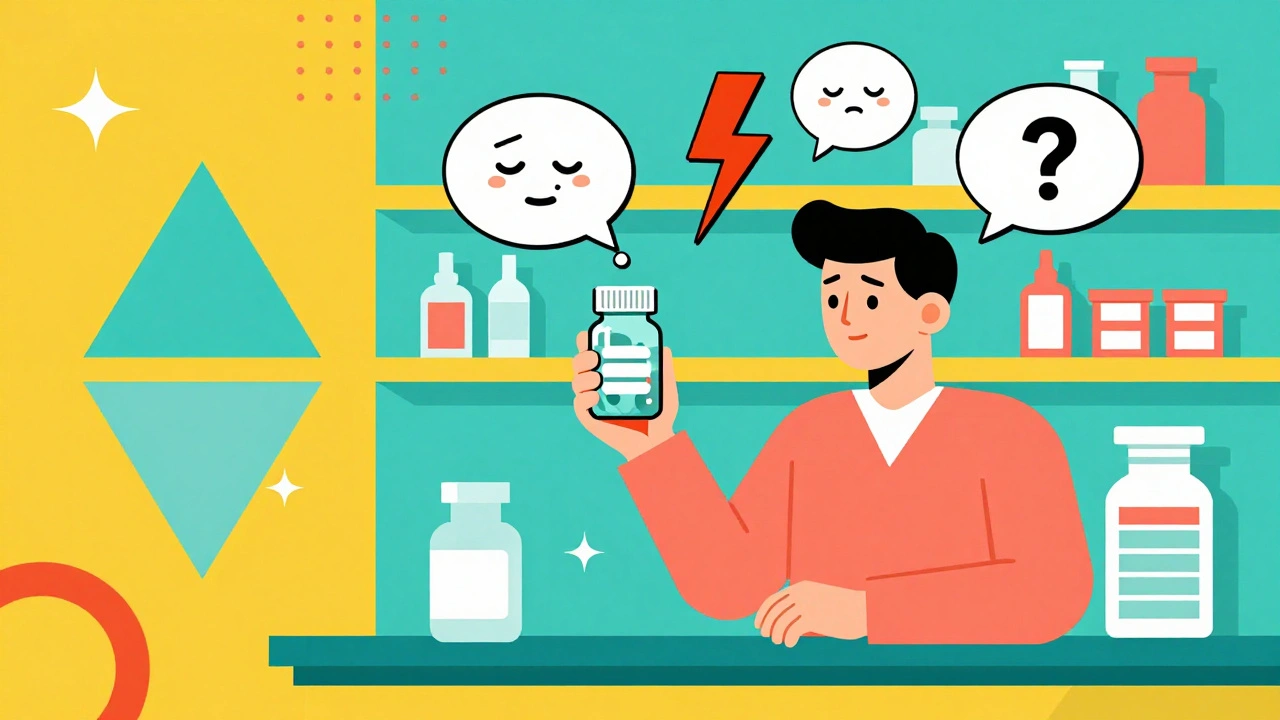
The Difference Between Medication Side Effects and Adverse Drug Reactions Explained
Learn the clear difference between medication side effects and adverse drug reactions - why mixing them up can lead to dangerous decisions, and how to know when a symptom is truly caused by your drug.
© 2026. All rights reserved.