
Cognitive Behavioral Therapy for Pain: How It Works and What Works Best
When you live with chronic pain, your mind and body get stuck in a loop—pain causes stress, stress makes pain worse, and soon you’re not just hurting physically, you’re exhausted, anxious, and trapped. Cognitive behavioral therapy for pain, a structured, evidence-based approach that changes how you think about and respond to pain. Also known as CBT for pain, it doesn’t erase the sensation, but it rewires your reaction to it. Unlike pills that mask symptoms, CBT teaches you skills to break the cycle—skills backed by decades of clinical research and used in hospitals from Cleveland to Sydney.
This isn’t just talk therapy. It’s a practical toolkit. You learn to spot thoughts like "I’ll never get better" or "This pain controls my life" and replace them with realistic, manageable ones. You track pain triggers, pace your activities to avoid crashes, and use breathing and relaxation to calm your nervous system. It’s especially powerful for conditions like fibromyalgia, lower back pain, and arthritis—where meds alone often fall short. Pain psychology, the study of how thoughts, emotions, and behaviors influence physical discomfort is the foundation. And behavioral pain treatment, a broader category that includes CBT, mindfulness, and activity restructuring is now recommended by the CDC and the American College of Physicians as a first-line option before opioids.
What you won’t find in these posts are vague affirmations or miracle cures. You’ll find real strategies: how to use thought records to challenge pain-related catastrophizing, why graded exposure works better than rest, and how sleep hygiene directly impacts pain sensitivity. You’ll see how CBT compares to other non-drug options like biofeedback and acupuncture, and why combining it with physical therapy often leads to the best results. Some people see improvement in just 6–8 weeks. Others need longer—but the skills last a lifetime.
There’s no magic pill for chronic pain. But there is a proven way to take back your life from it. Below, you’ll find detailed guides on how CBT actually works in practice, what to expect in therapy, how to find a qualified provider, and why so many patients end up switching from pills to this kind of mental training. This isn’t about being strong—it’s about being smart about how you respond to pain.
1
Dec
2025
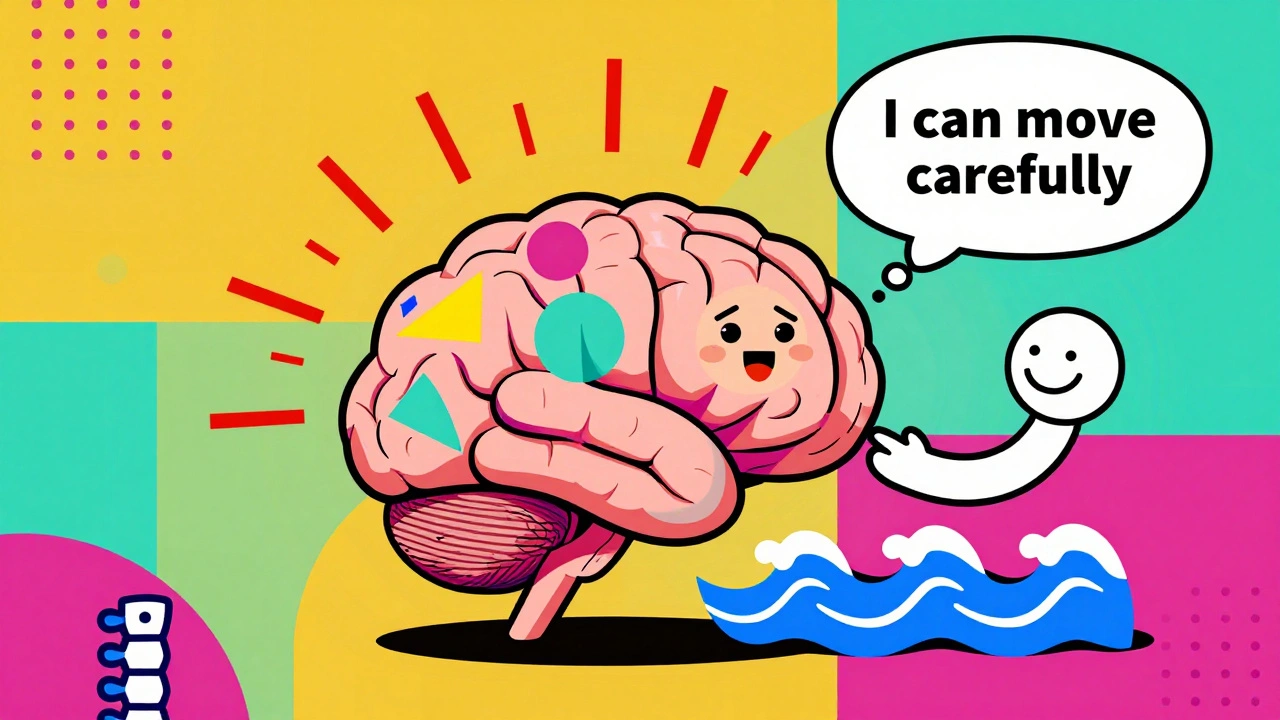
CBT for Chronic Pain: How Cognitive Behavioral Therapy Helps Manage Persistent Pain
CBT for chronic pain helps manage long-term pain by changing how you think and respond to it. Research shows it reduces depression, improves function, and helps cut opioid use-even when pain doesn't disappear.
© 2026. All rights reserved.