
Drug Name Confusion: How Similar Names Cause Mistakes and How to Avoid Them
When you hear drug name confusion, the dangerous mix-up of medications because their names look or sound too similar. Also known as look-alike sound-alike drugs, it’s not just a paperwork problem—it’s a leading cause of preventable harm in hospitals and pharmacies. A patient meant to get Hydralazine for high blood pressure might end up with Hydroxyzine, an antihistamine for anxiety. One letter. One typo. One life changed—or lost.
This isn’t rare. Studies show over 1.5 million medication errors happen each year in the U.S. alone, and nearly half involve names that are too close. Look-alike drug names, medications with similar spelling that can be misread on paper or screens like Clonazepam and Clonidine get swapped daily. Sound-alike drugs, medications that rhyme or sound alike when spoken aloud like Propranolol and Propafenone confuse nurses rushing between rooms. Even generic drug mixups, confusion between brand and generic versions with different naming patterns happen—think Lexapro versus escitalopram—and patients don’t always speak up.
It’s not just doctors or pharmacists who need to watch out. You can protect yourself. Always ask: "Is this the right drug for my condition?" Check the label against your prescription. Compare the pill shape and color. If your new pill looks different than last time, ask why. Use a medication list template to track what you’re taking. Keep it simple: write the name, dose, and why you take it. Bring it to every appointment. If your pharmacist says, "This is the same as your last one," ask them to confirm the name—not just the purpose.
Some drugs are notorious for causing mixups. Insulin types, opioid painkillers, and anticoagulants like warfarin and heparin top the list. Even Benadryl and Zyrtec can be confused by patients looking for allergy relief. And with authorized generics and biologics entering the market, the naming landscape keeps getting more complex. The system isn’t perfect—but you don’t have to be passive in it.
What you’ll find below isn’t theory. It’s real cases. Real risks. Real fixes. From how counterfeit drugs muddy the waters with fake labels, to why adverse drug reactions sometimes start with a simple misread name, these posts show how confusion turns into crisis—and how to stop it before it starts. You’re not just reading about drugs. You’re learning how to keep yourself and your family safe.
6
Mar
2026
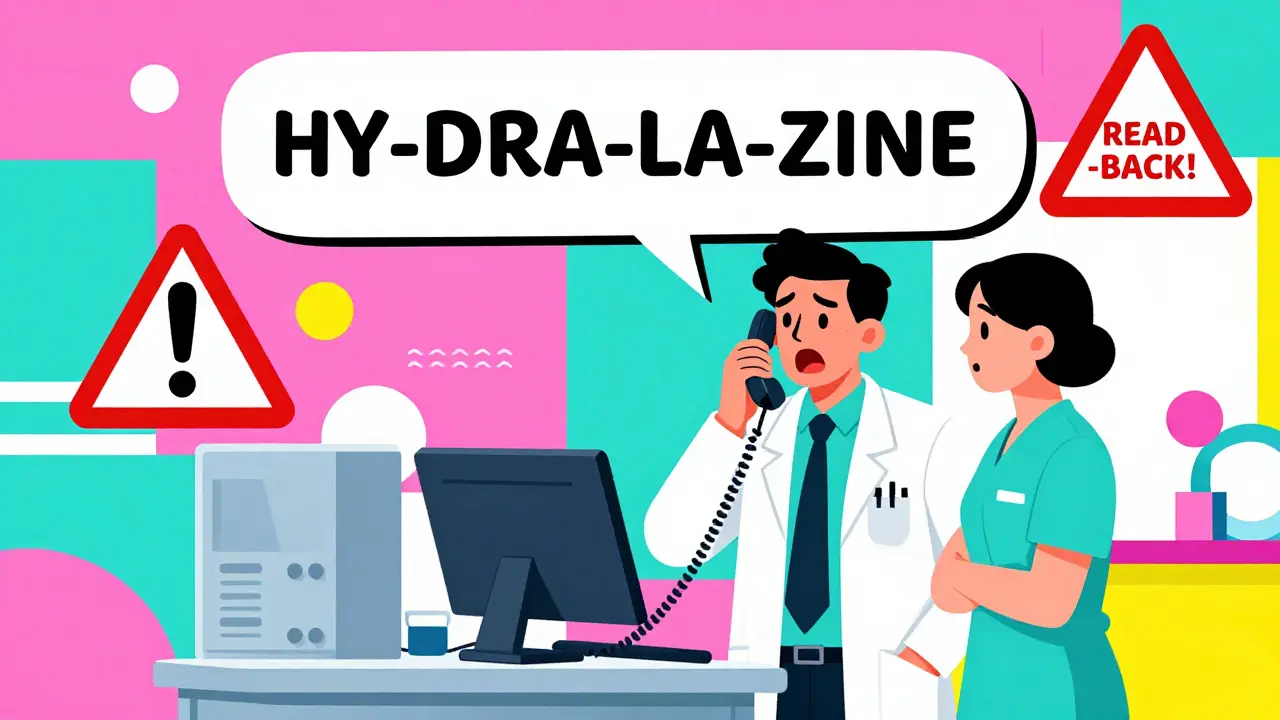
Verbal Prescriptions: Best Practices for Clarity and Safety
Verbal prescriptions are still used in emergencies and surgeries, but they carry high risks of error. Learn the proven safety practices - like read-back and phonetic spelling - that prevent deadly mistakes.
8
Dec
2025
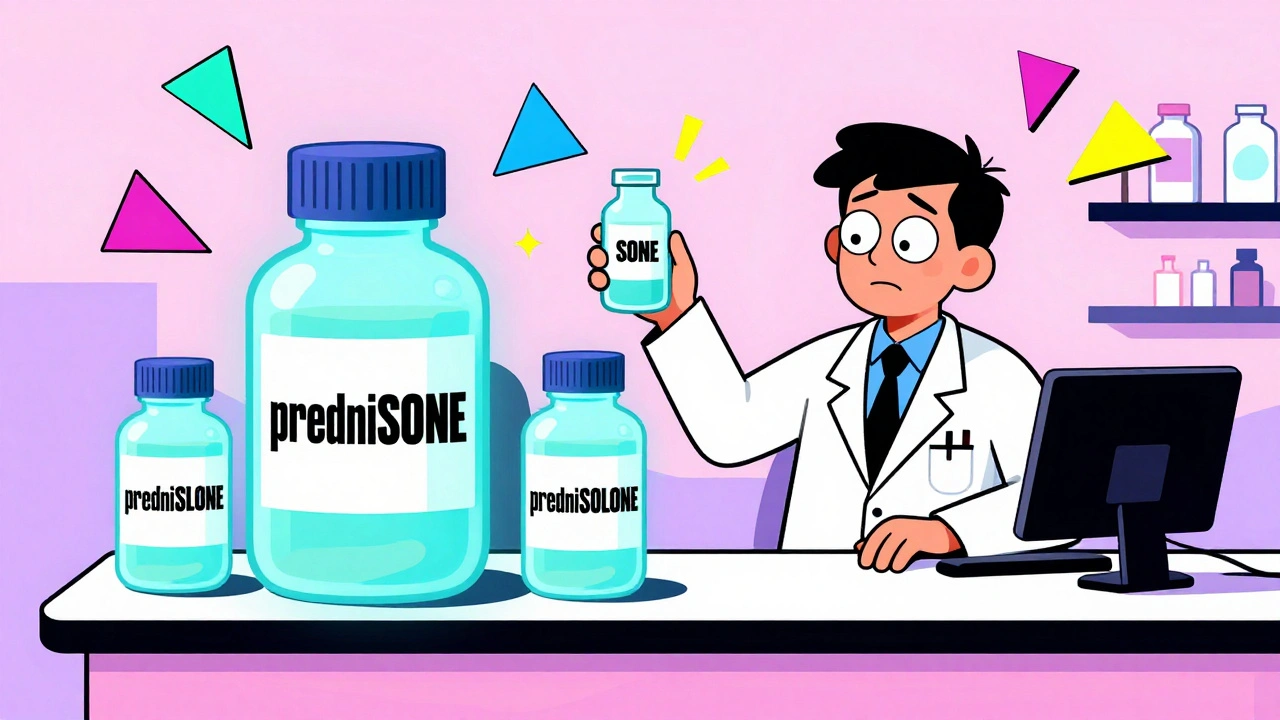
How to Use Tall-Man Lettering to Prevent Medication Mix-Ups in Hospitals and Pharmacies
Tall-man lettering uses capital letters to highlight differences in similar-looking drug names, helping prevent dangerous medication errors in hospitals and pharmacies. Learn how it works, where it's used, and why it still matters.
© 2026. All rights reserved.