
Health and Medicine: Practical guides you can trust
Millions of people take prescription drugs every year. Knowing how a medicine works, what side effects to watch for, and how it fits into your life can save time, money, and stress. This category collects easy-to-read guides on common drugs, conditions, and treatment choices so you can make smarter decisions with your doctor.
Quick hits: what you’ll find here
Want a straight answer about an antibiotic? We’ve got a clear piece on Zithromax (azithromycin) that explains when it helps, common side effects, and how to avoid resistance. Dealing with yeast infections? Our Diflucan (fluconazole) guide covers dosing and safety. For people living with chronic conditions, read practical posts on heart meds like carvedilol and telmisartan, or antiviral advances like disoproxil for HIV.
We also cover less common but important topics. If you worry about bone health with diabetes, there’s an article on calcitonin’s possible role. For skin problems such as livedoid vasculopathy, we explain how betamethasone might help. When a drug seems scary — like amiodarone and its rare nerve risks — we give clear signs to watch and simple steps to discuss with your clinician.
How to use these guides
Start with the short plain-language summary at the top of each post. Look for sections on: what the drug treats, how it works, common and serious side effects, interactions, and practical tips for taking it. If a topic needs more context — like H. pylori treatment with rabeprazole or cancer questions around amlodipine — we add the latest research points so you can ask your doctor the right questions.
We try to be specific. For example, our Carbamazepine piece for kids lists typical dosing ranges and common side effects parents should monitor. The sulfasalazine article explains how the drug reduces inflammation to protect joints and when blood tests are needed. We don’t just repeat warnings — we explain what they mean for daily life.
Looking for drug history or regulation stories? Read about flibanserin’s journey to FDA approval and what that story teaches about drug repurposing and safety monitoring. Want heart-focused guidance? The left ventricular failure and carvedilol posts break down real-world benefits and what to expect after starting treatment.
If you want reliable, usable info without medical jargon, this category is built for you. Use it to prepare for doctor visits, compare treatment options, or get quick answers before making decisions. If something affects you directly, talk to your healthcare provider — these posts help you ask better questions and make clearer choices together.
30
Mar
2026
Hyperacusis: Sound Sensitivity and Desensitization Therapy Explained
Hyperacusis is a condition causing extreme sound sensitivity. Learn how desensitization therapy retrains the brain, compare treatment options, and understand realistic recovery timelines.
27
Mar
2026
Preparing for Doctor Appointments: What to Bring and Discuss Checklist
Maximize your doctor visit efficiency with our essential checklist. Learn what documents, medication details, and questions to prepare for better health outcomes and clearer communication.
25
Mar
2026
FDA Inspection of Generic Manufacturing Facilities: What to Expect in 2026
Learn what to expect during an FDA inspection of generic drug facilities. Covers the 6-system approach, Form 483 handling, and the new PreCheck program for 2026 compliance.
13
Mar
2026
How to Report Adverse Events to the FDA for Medications
Learn how to report medication side effects to the FDA through MedWatch. This guide covers who should report, what info to include, how the system works, and how your report helps protect public health.
7
Mar
2026
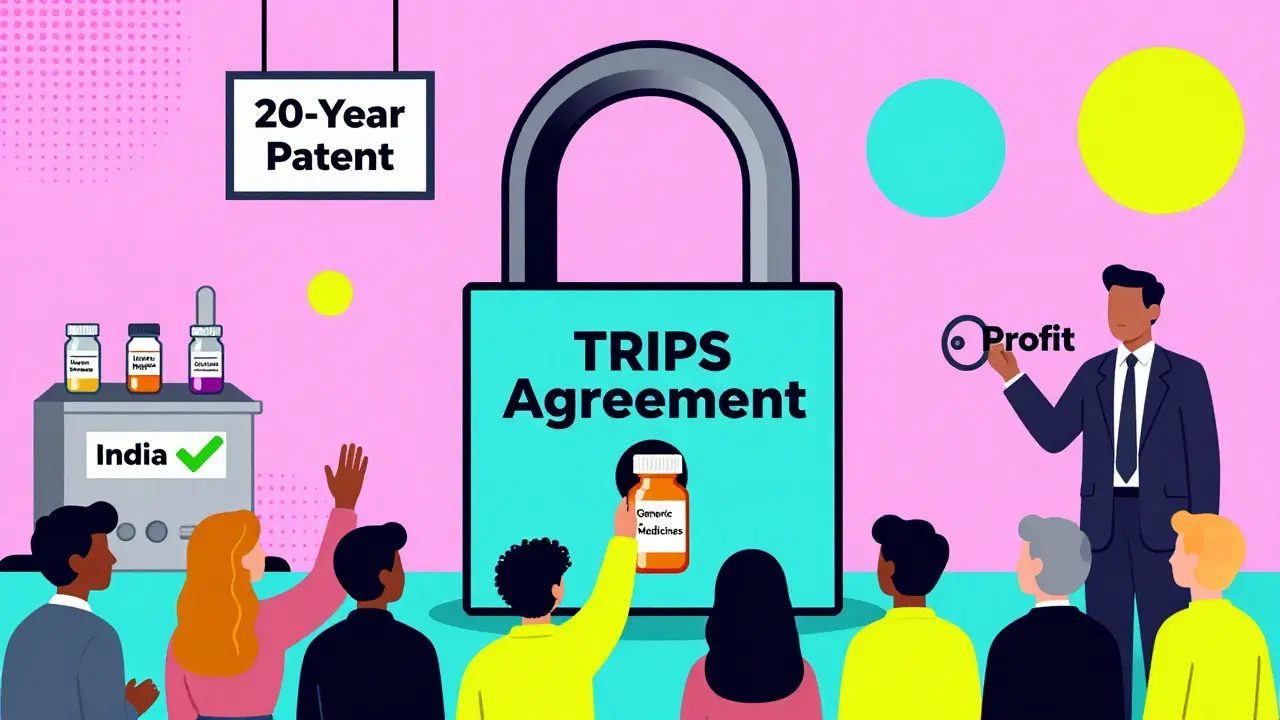
How TRIPS Agreement Shapes Global Access to Generic Medicines
The TRIPS Agreement governs global patent rules for medicines, blocking generic production in many countries. It has raised drug prices, delayed access, and created legal barriers - even as lifesaving generics exist.
6
Mar
2026
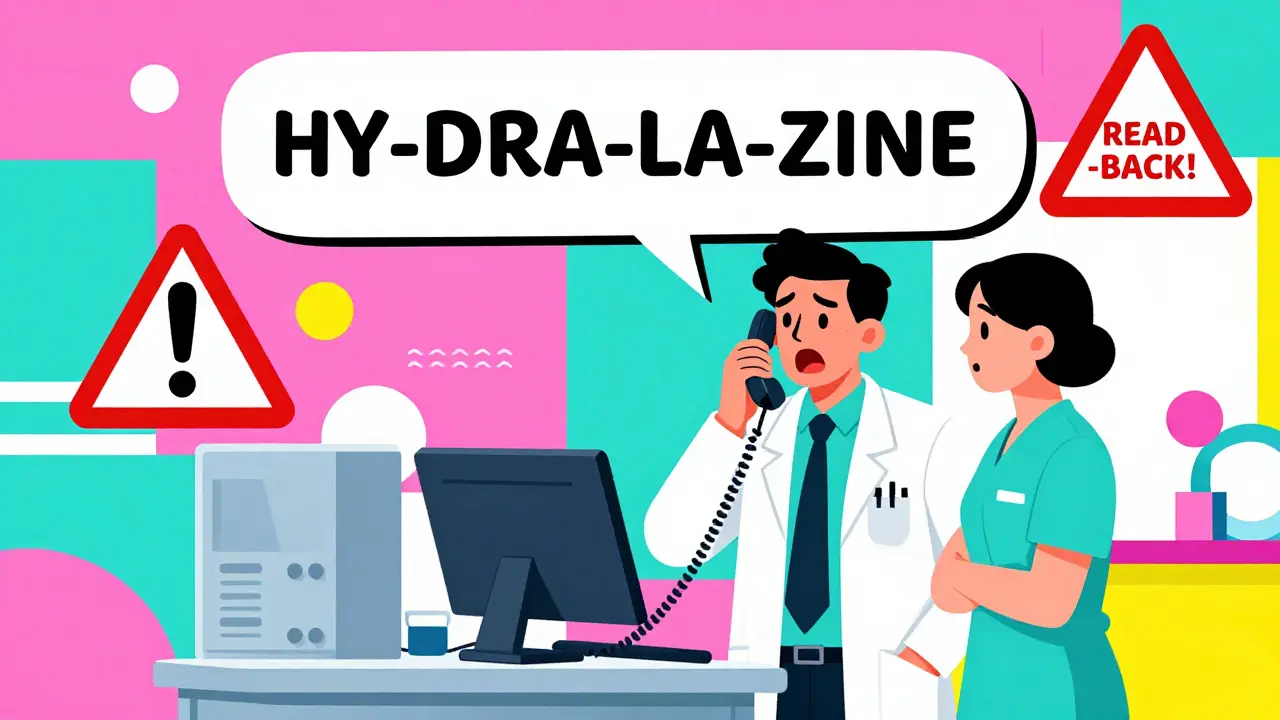
Verbal Prescriptions: Best Practices for Clarity and Safety
Verbal prescriptions are still used in emergencies and surgeries, but they carry high risks of error. Learn the proven safety practices - like read-back and phonetic spelling - that prevent deadly mistakes.
20
Feb
2026
Common Translation Issues on Prescription Labels and How to Get Help
Prescription label translation errors put millions of non-English speakers at risk of dangerous medication mistakes. Learn the most common errors, why they happen, and how to get accurate help right now.
14
Feb
2026

REM Sleep Behavior Disorder: Medications and Neurological Assessment
REM sleep behavior disorder (RBD) is a dangerous sleep condition where people act out vivid dreams, often leading to injury. It's strongly linked to Parkinson’s and other neurodegenerative diseases. Melatonin and clonazepam are the main treatments, but safety changes and neurological monitoring are just as critical.
3
Feb
2026
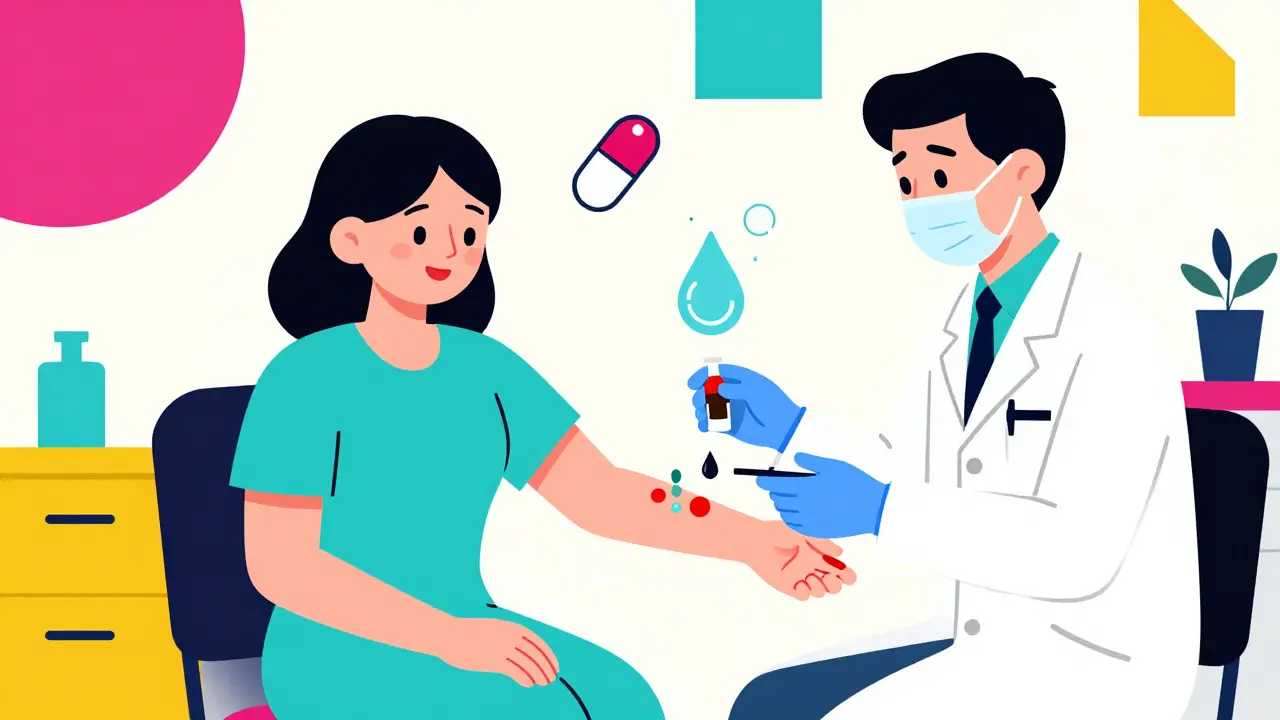
Drug Allergy Skin Testing Explained for Patients
Drug allergy skin testing is a safe, accurate way to confirm or rule out true drug allergies. Learn how it works, what to expect, and why it matters-especially if you think you're allergic to penicillin.
2
Feb
2026

COVID-19: Symptoms, Variants, Vaccines, and Treatment Options Today
As of 2026, COVID-19 is seasonal but still active. Learn the latest symptoms, dominant variants like XFG, current vaccines targeting KP.2 and JN.1, and effective treatments to stay protected.
© 2026. All rights reserved.